MARCH POSTS: #17 – News from the Holocaust Museum

The Holocaust Museum at night, Washington D.C.

16 years ago when I seriously began thinking about the contents of Solly’s letters and photos I got in touch with a curator at the Holocaust Museum in Washington D.C. and talked to her about the material I had.  Was she interested in things like that for their collection?  “Yes”, is what she said, adding, “whenever you have them together please send it to us.”  I finally restarted that conversation in the spring of 2015  with a new curator and sent her a few digital examples of the letters this past November.  Two months ago I sent her a link to the Love Solly blog in case she wanted more context.

She called last week and asked if we would make a gift of some of Solly’s letters. Of course, Selma was delighted and asked me to say yes.  That means, most likely, that after I am long gone a few of these letters will live on as part of the museum’s permanent collection.  

They are interested in the letters where Solly talks about the concentration camps, talks about being Jewish and the things he misses or thinks about as a Jew, places where he grapples with his feelings about Germany and the Germans, and anything else we believe serves that historical perspective.

I will wait for the paperwork and documents before we select letters to give them but at this point, off the top of my head, I imagine there are as many as 5-6 that would speak to those interests.

When they end up in the collection they will be digitized.  They will become part of the paper archives, properly preserved and stored, available for on-site and digital viewing/research, and when appropriate to rotating exhibits will be displayed as part of the historical record.  Pretty cool!

Maybe, by the time we reach the last posts from Love Solly there will be a reason to go to Washington and visit the museum again?

HolocaustMuseum_01
Main Gallery, Holocaust Museum, Washington D.C.

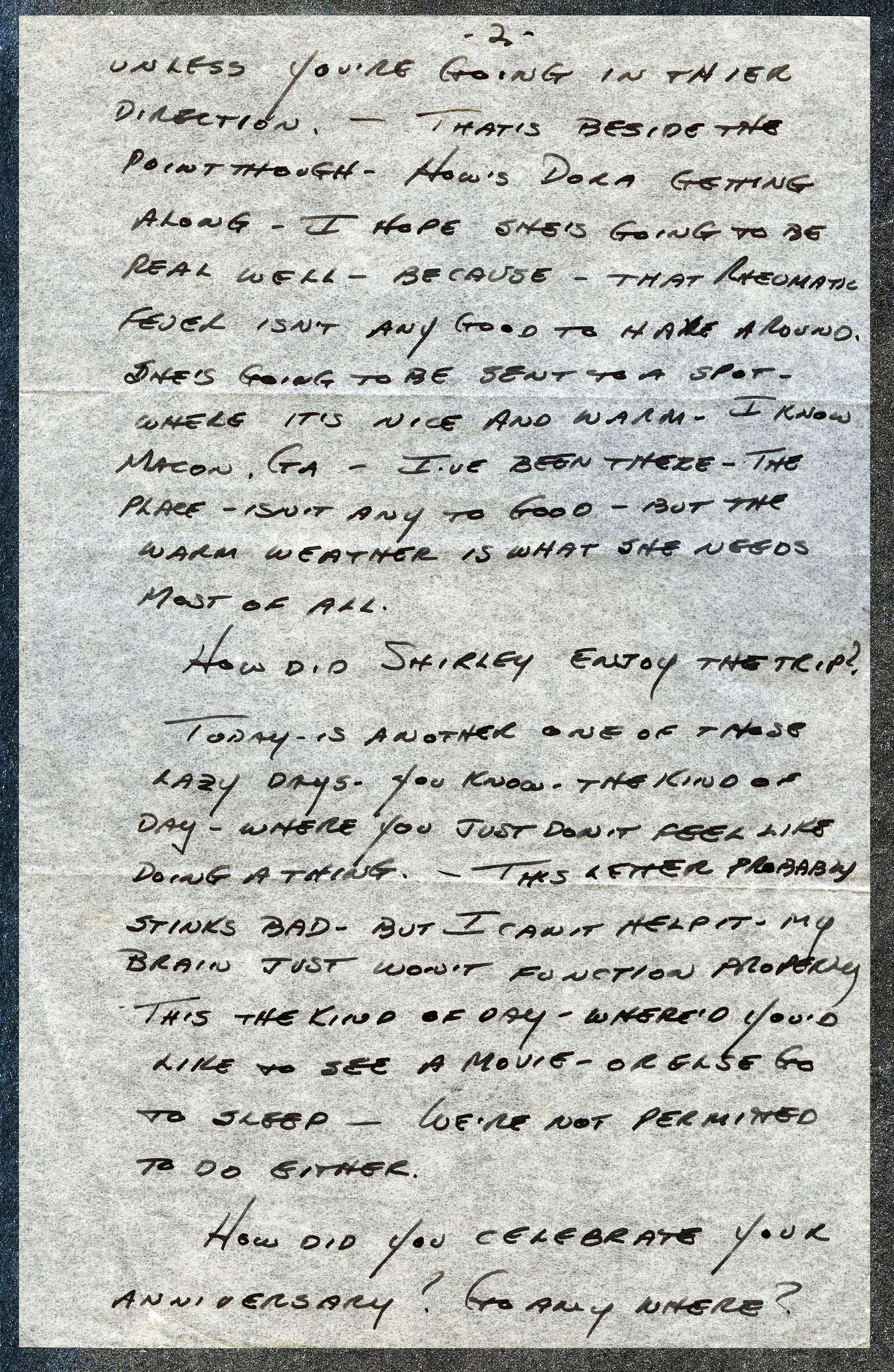
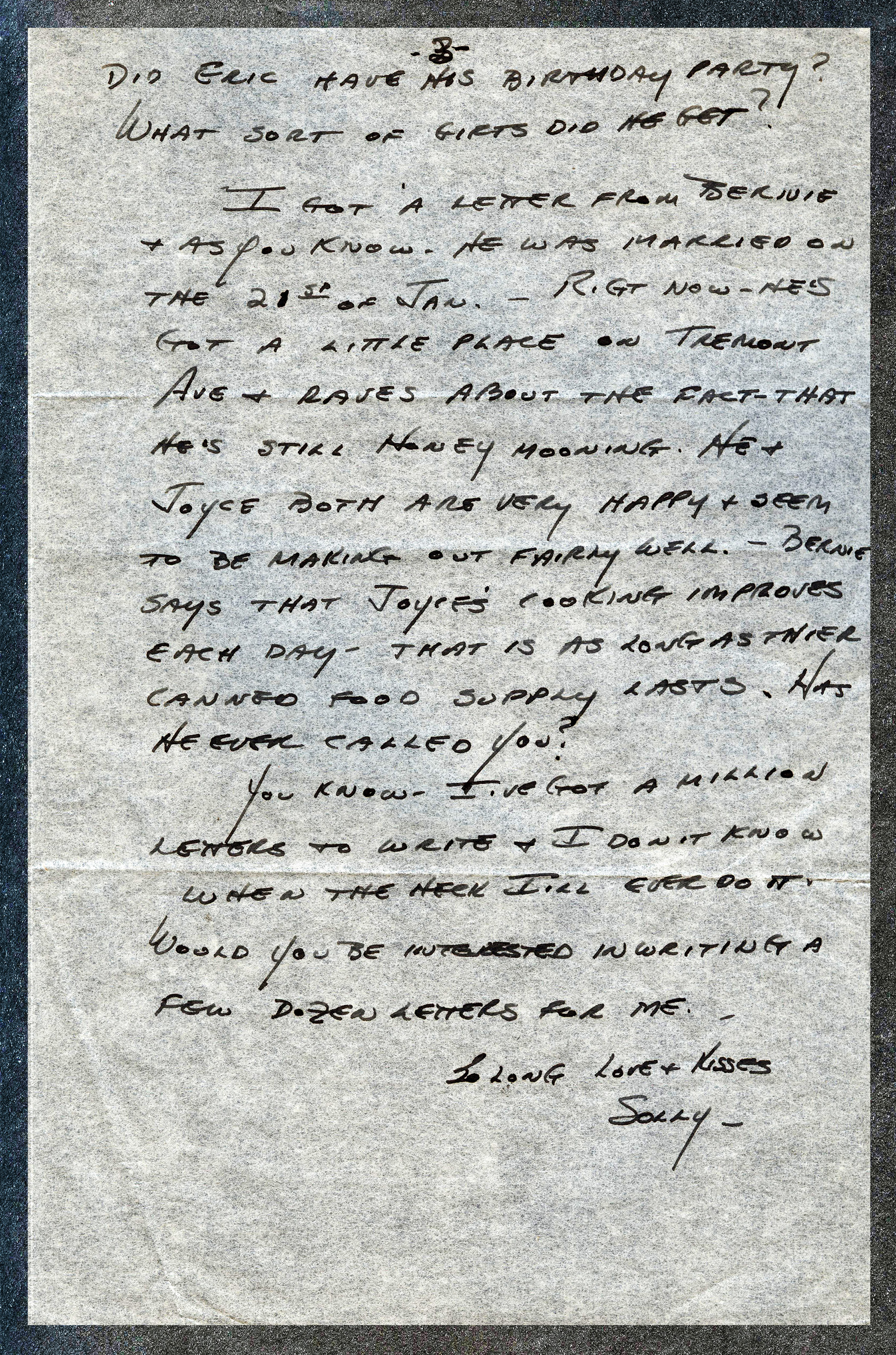
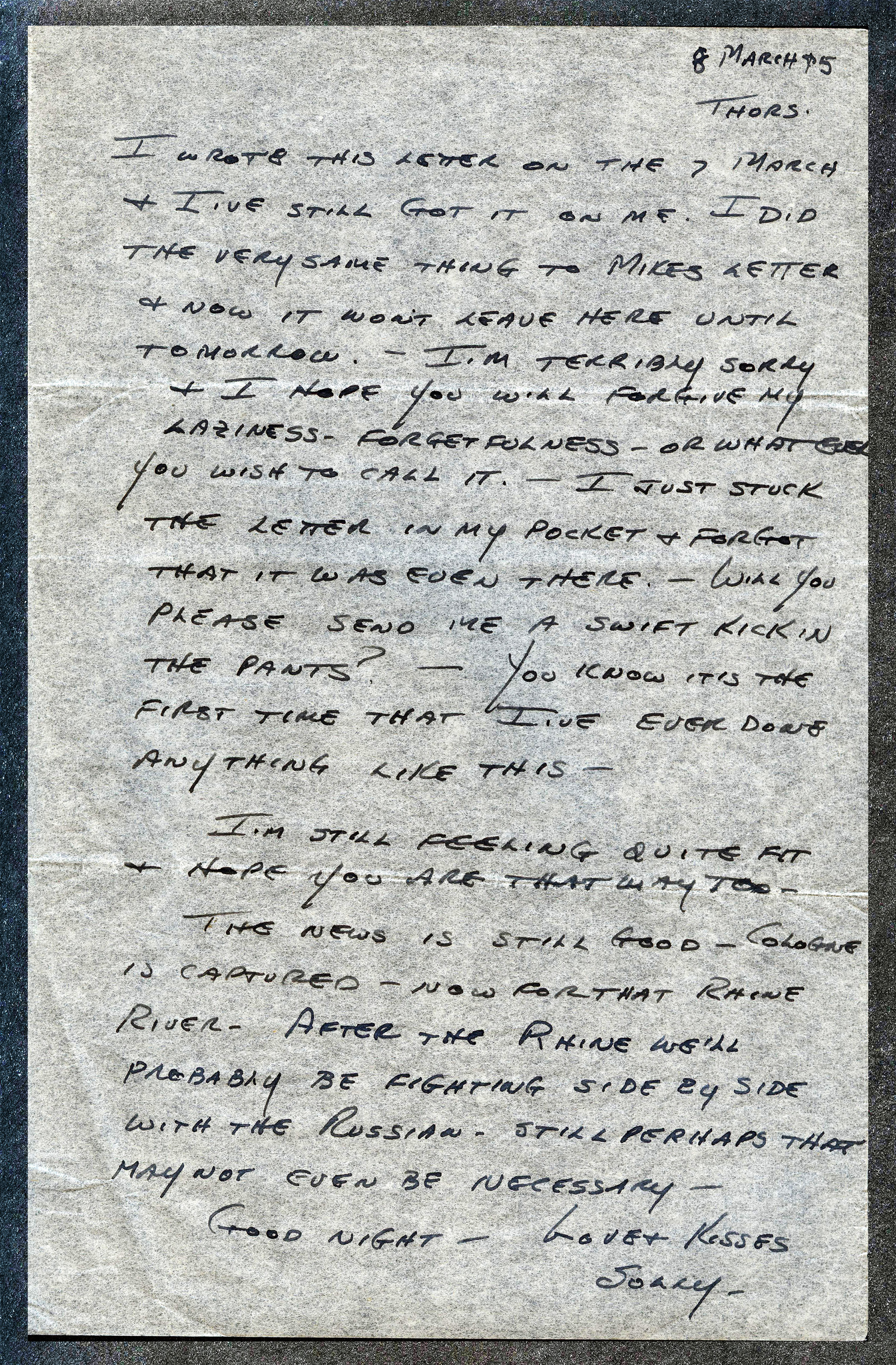
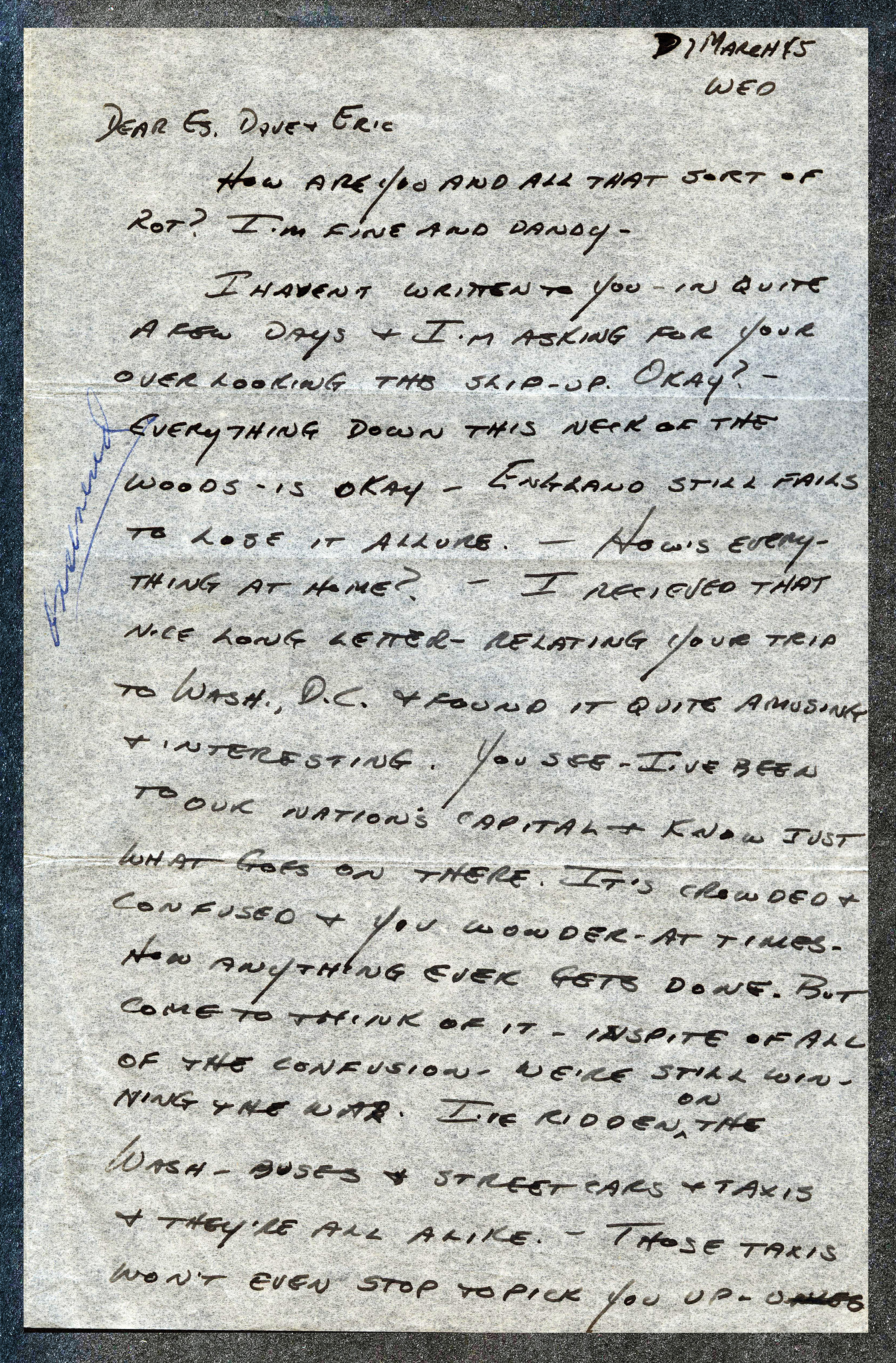
#18 – March 7, 1945

MAIL CALL:

“Letters were a great comfort. And the mail was indispensable. We couldn’t have won the war without it. It was terribly important as a motivator of the troops. Mail call, whenever it happened, was a delight.” – Paul Fussell, WWII G.I.

Letters to and from the front lines were a lifeline for service men and women fighting in World War II. Few things mattered more to those serving abroad than getting letters from home.  Everyone knew that “mail was indispensable” when it arrived.  “It motivated us” and “We couldn’t have won the war without it,” was a common refrain from soldiers during and after the war. The mail also had a similarly critical importance when it arrived stateside, reassuring the very worried families of servicemen back home.

Soldiers writing letters home not only had to confine their words to a single sheet if planning to send them by V-mail, but they also had to be careful about the sensitivity of the information they included in their letters. Censors carefully removed any sections of stateside-bound letters that might give away the position or plans of the troops.

Despite the enforced restrictions, however, letters from soldiers far from home became cherished objects once they reached their recipients. Soldiers were often gone from home so long that the correspondence they exchanged with their families and friends became the only way of maintaining those relationships.

On view: 3 pages

030745_1_mst
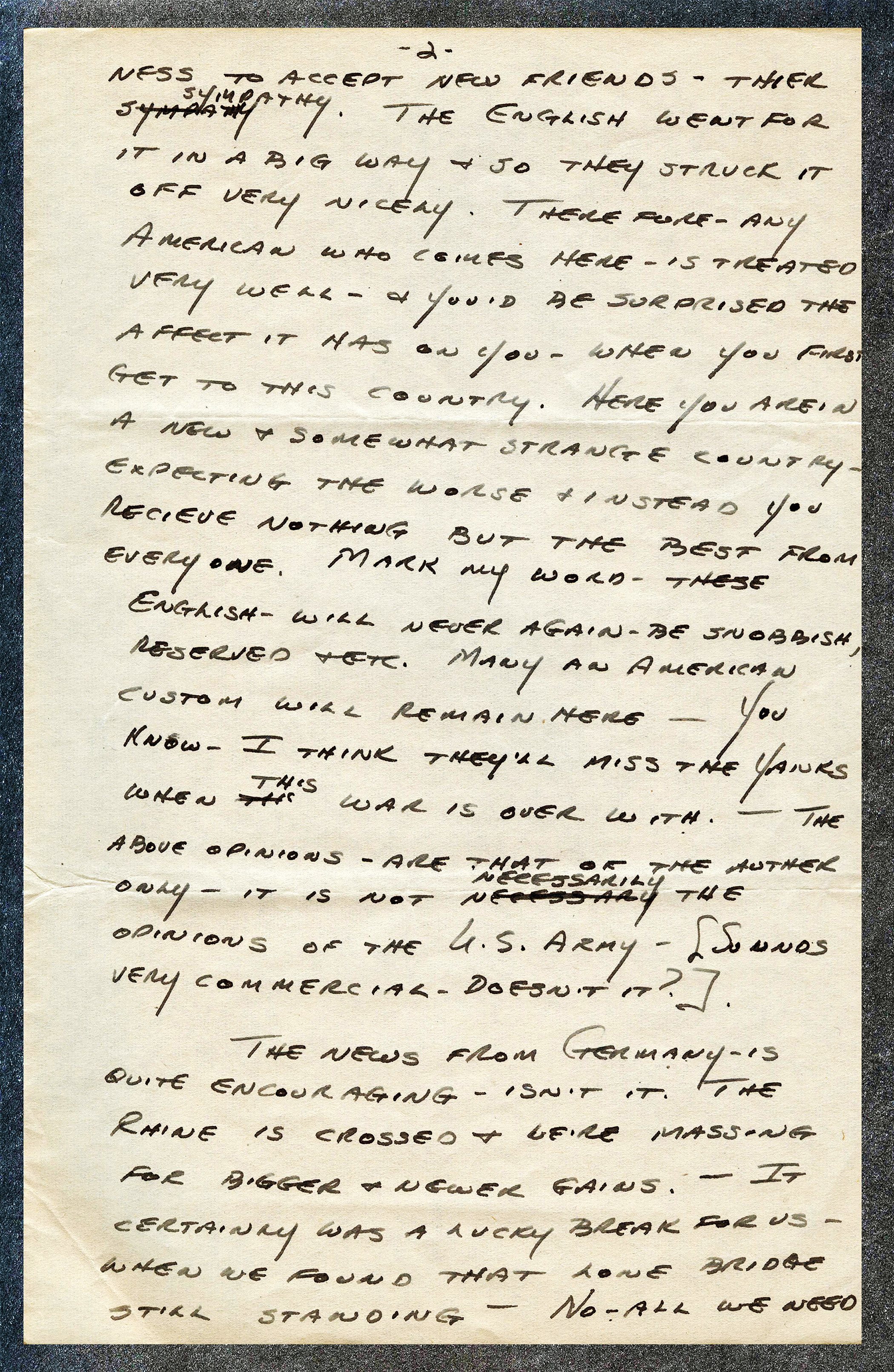
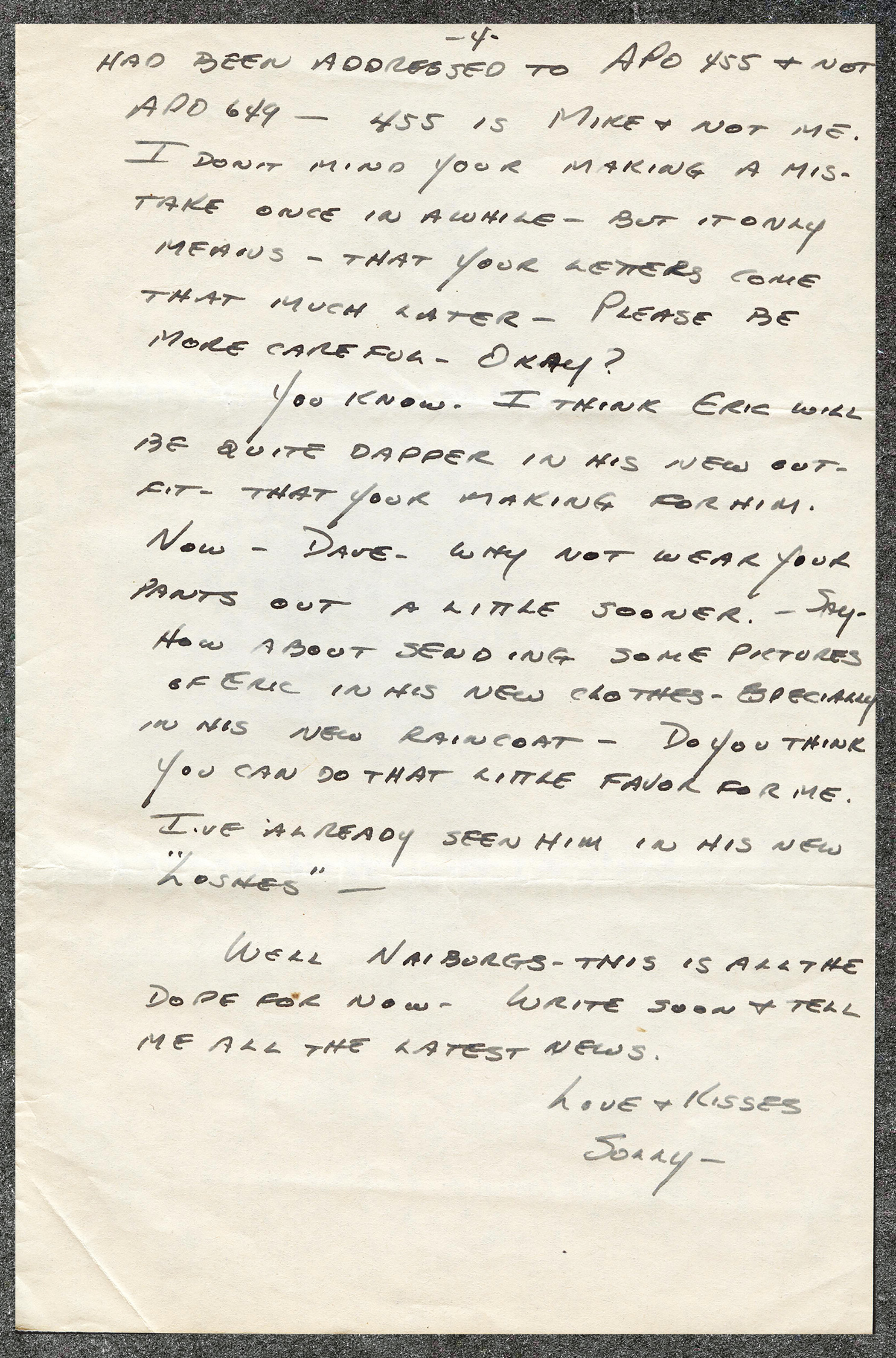
March 7, 1945, p. 1
030745_2_mst
p. 2
030745_3_mst
p. 3

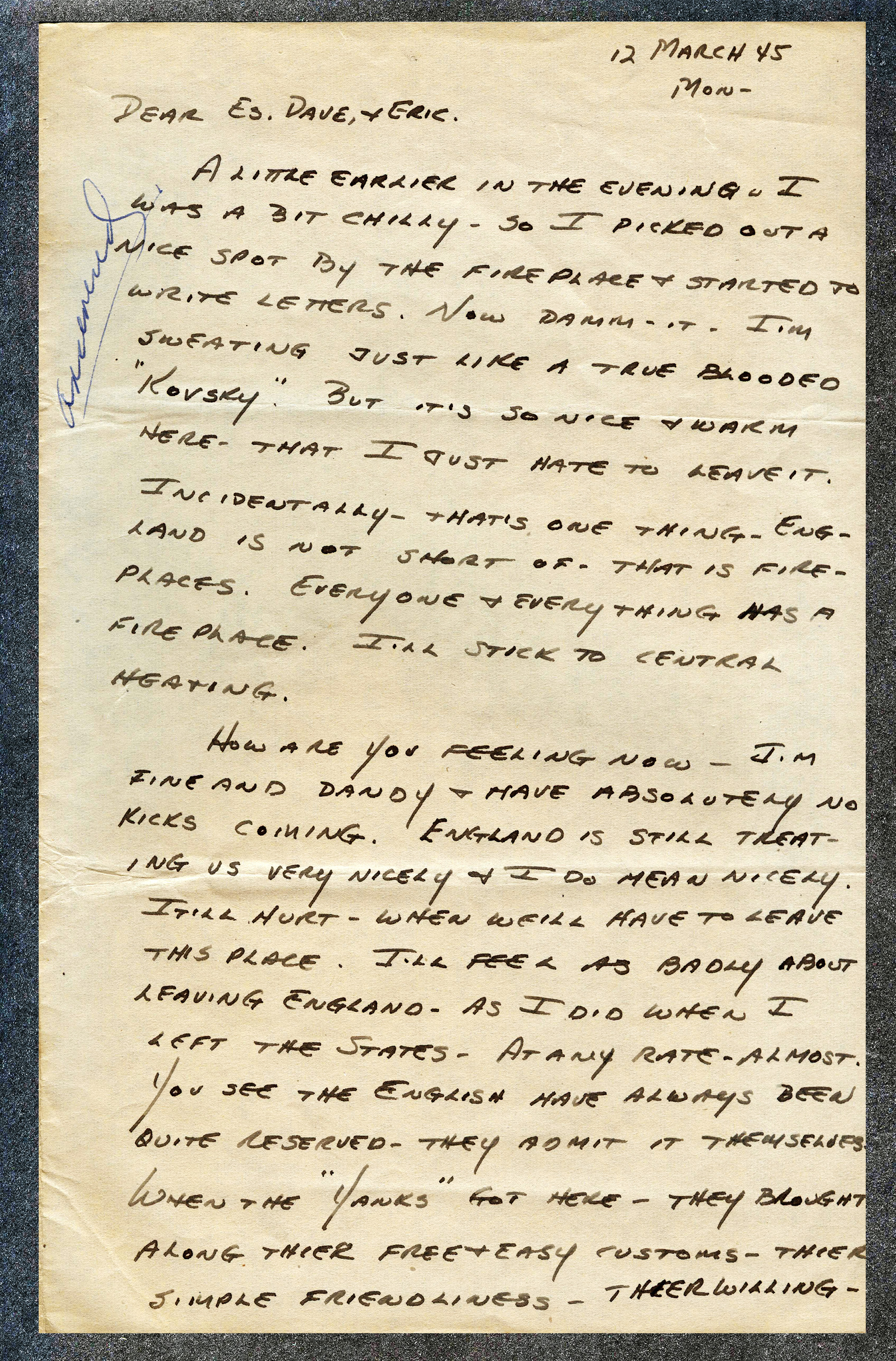
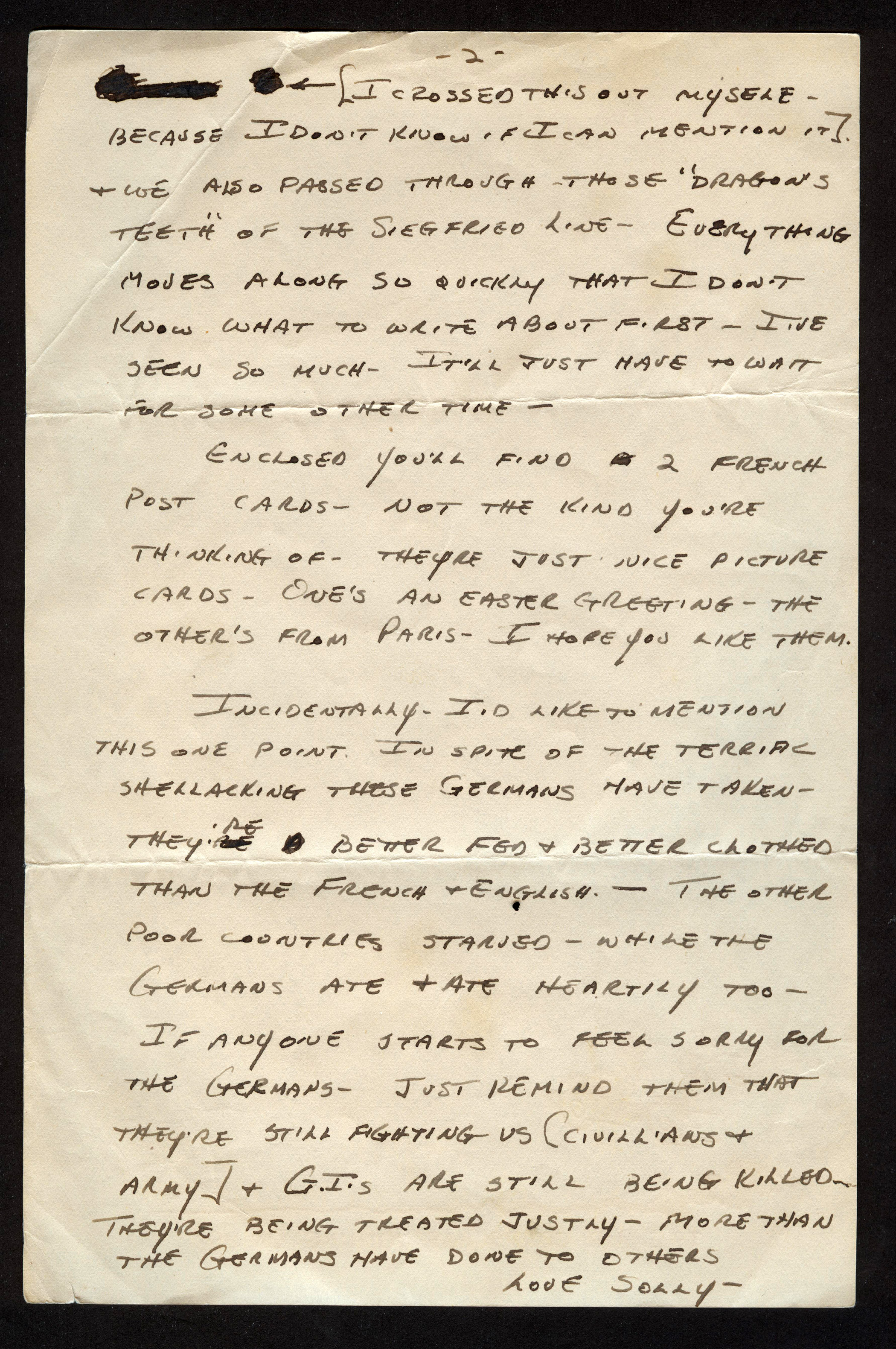
#21 – March 14, 1945

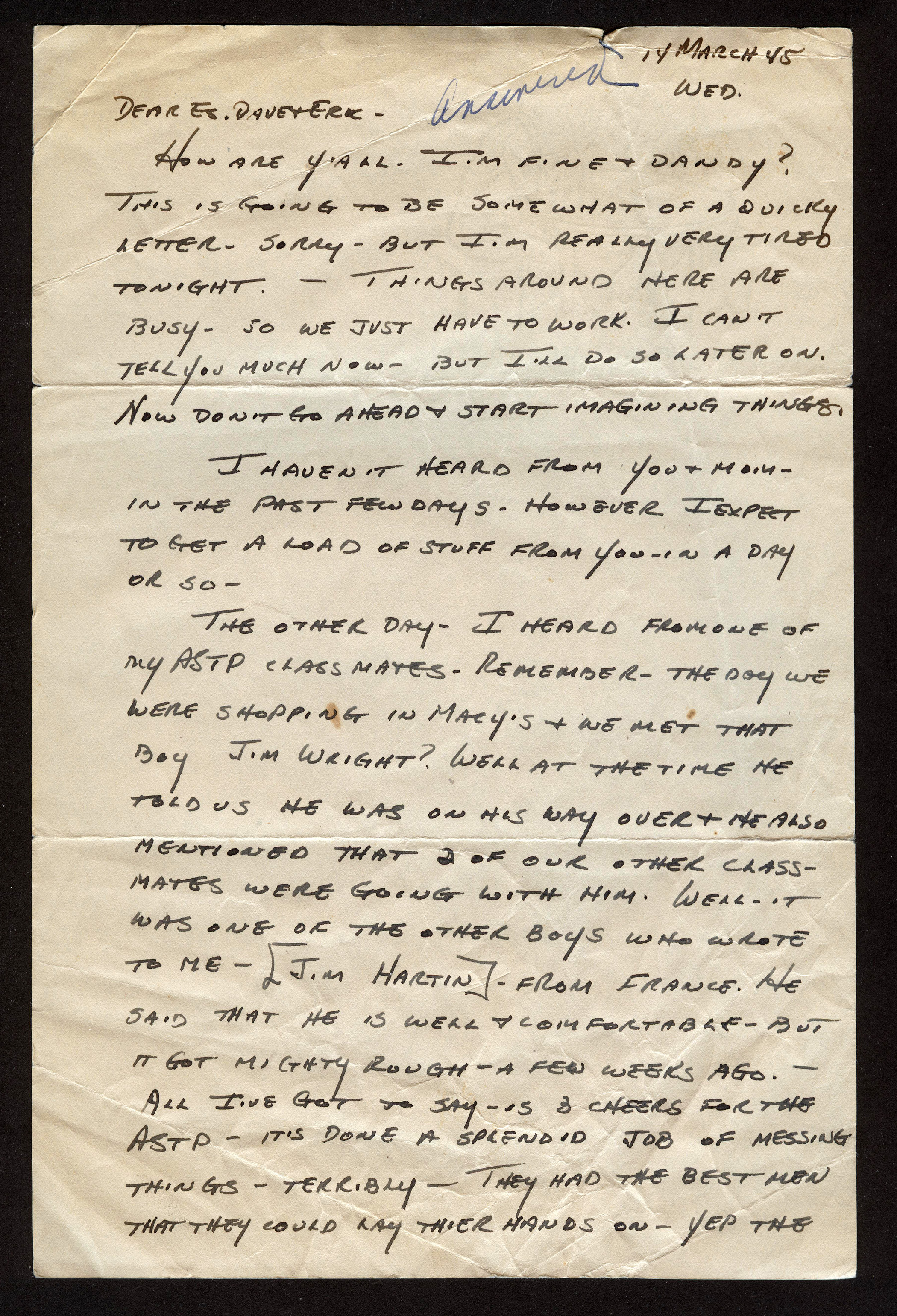
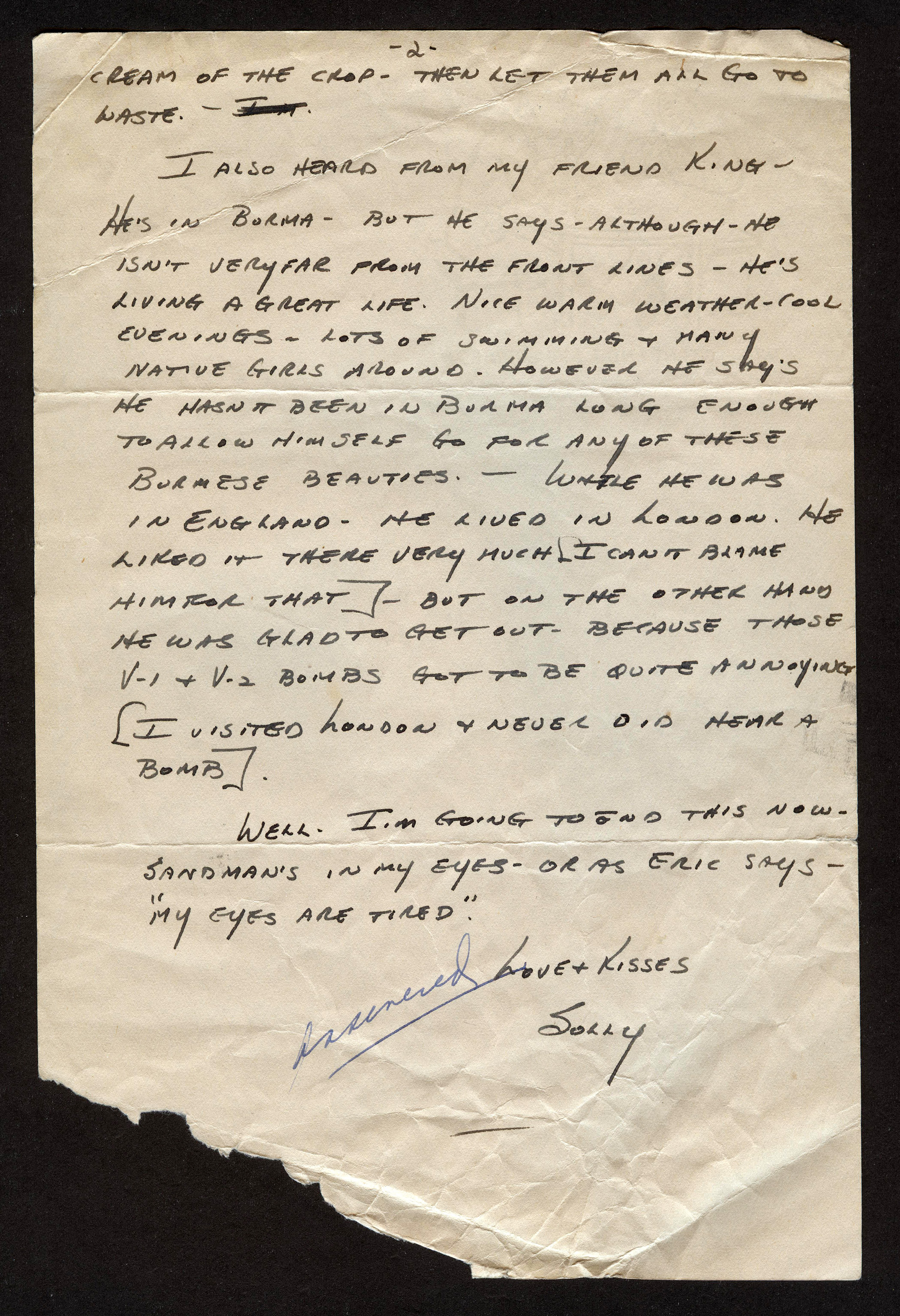
Solly still appears to be in England at the time of this letter, but they are preparing for some new deployment which he mentions but can’t discuss in detail or with any specifics.  From The Map and its recorded dates we now know his unit is preparing to cross the English channel and begin the long combat campaign of 1200 miles which the Map details.

On view: 2 pages

031445_1_mst
March 14, 1945, p.1
031445_2_mst
p, 2

#22 – Engineers

It is not surprising that in WWII the U.S. Army was heavily equipped with engineer troops and equipment.  The Army’s officer corps was highly influenced by the teachings of the Military Academy at West Point, which was in fact the first engineering school in the United States.  Fittingly, the Army focused much of its resources and brains on building a force of engineers in the mid to late 1930’s who would later be a critical element in the ultimate defeat of the Germans and the new and accelerated kind of warfare Hitler and his Generals were waging across Europe.

The primary mission of combat engineers was to KEEP THE ARMIES MOVING TO ATTACK, AND IMPEDING THE ENEMY.

NP-Germany_Engineers_03_mst
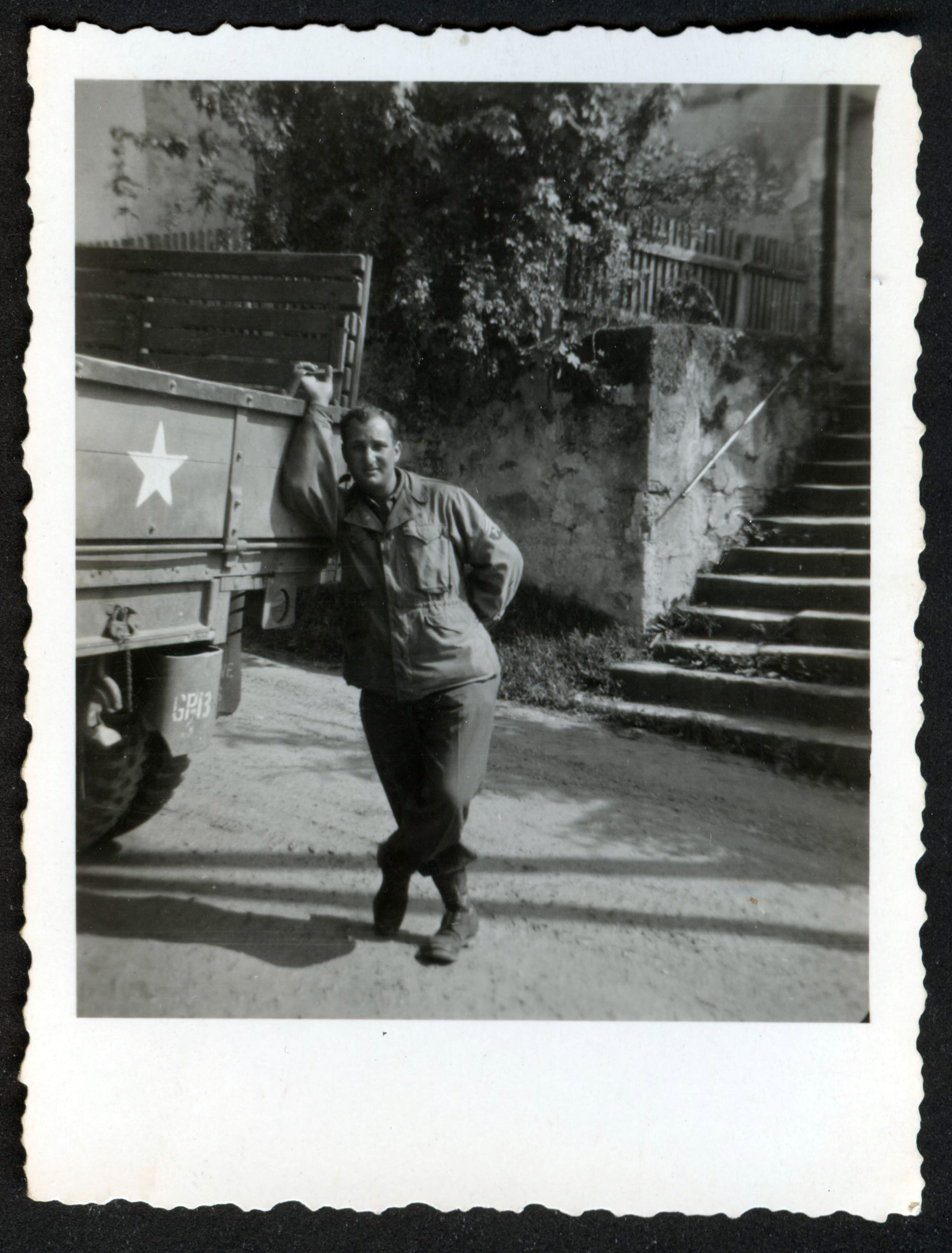
Solly in Germany, 1945. Upon first seeing this picture, Selma said: “Now that’s what he looked like when I met him. He was very handsome.”

The divisional combat engineer battalions were trained to perform most engineering tasks including: demolitions; obstacle emplacement; fortification; bridge building which included mobile, floating and fixed bridges; mine warfare; and establishing ammunition dumps.   Combat engineers, like Solly, were considered to be elite specialists because they were the ones who got sent in before the larger corps of engineers arrived. (Read more in Menu>About).

NP-Germany_Engineers_05_mst
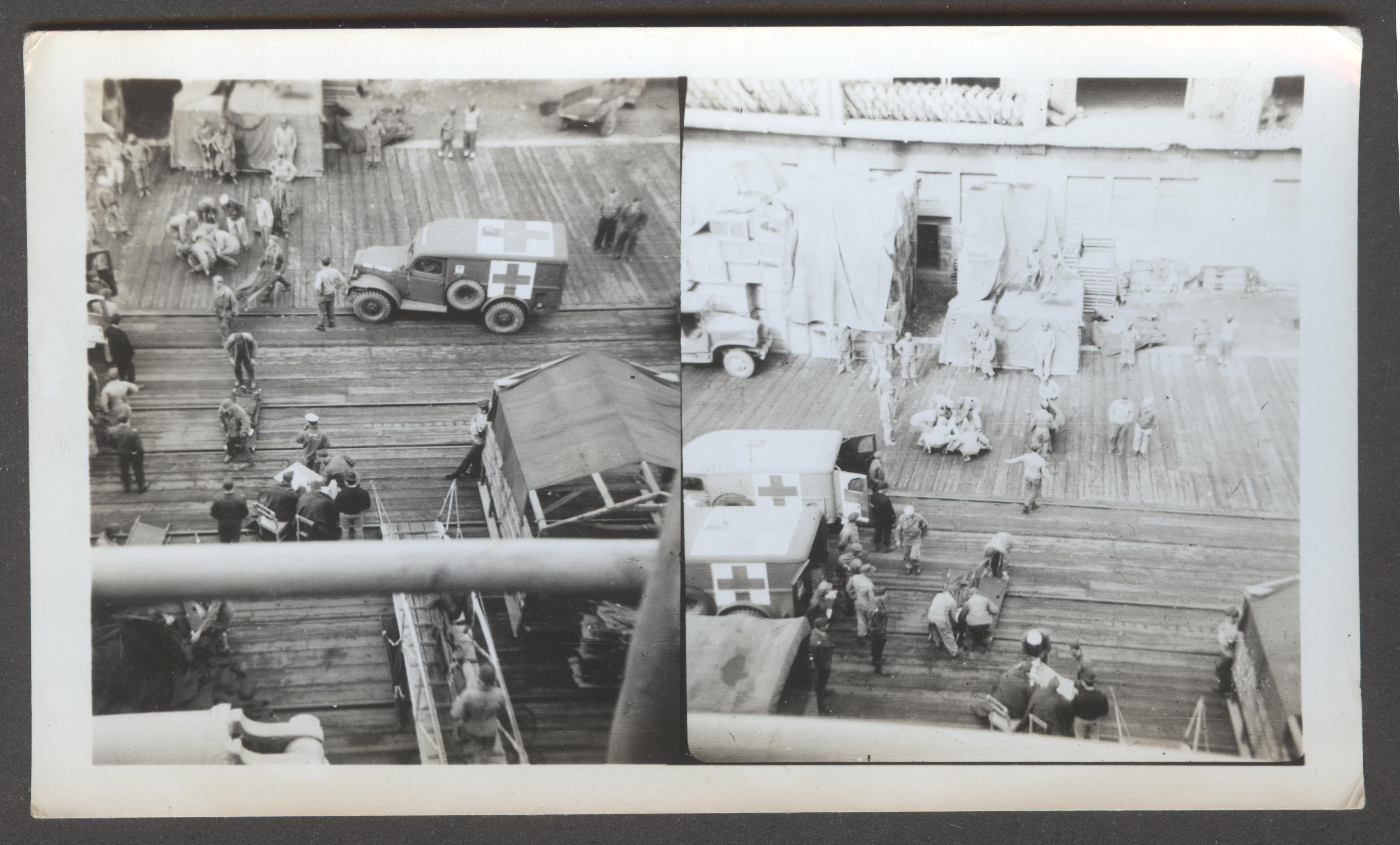
Engineers and Medical units at a loading dock. Photo taken by Solly from the deck of a ship

Based on the number of photos Solly took of demolished bridges and the dates and drawings on The Map we know Solly’s Engineering outfit was also tasked with dealing with the rubble the Germans left behind for US forces as they withdrew further north into Germany.  The Germans not only destroyed all bridges along every road capable of handling military traffic but left behind ghost patrols, machine gun nests, and minefields to inflict as many casualties on forward moving groups of engineers and other infantry as possible.

NP-Germany_Engineers_02_mst
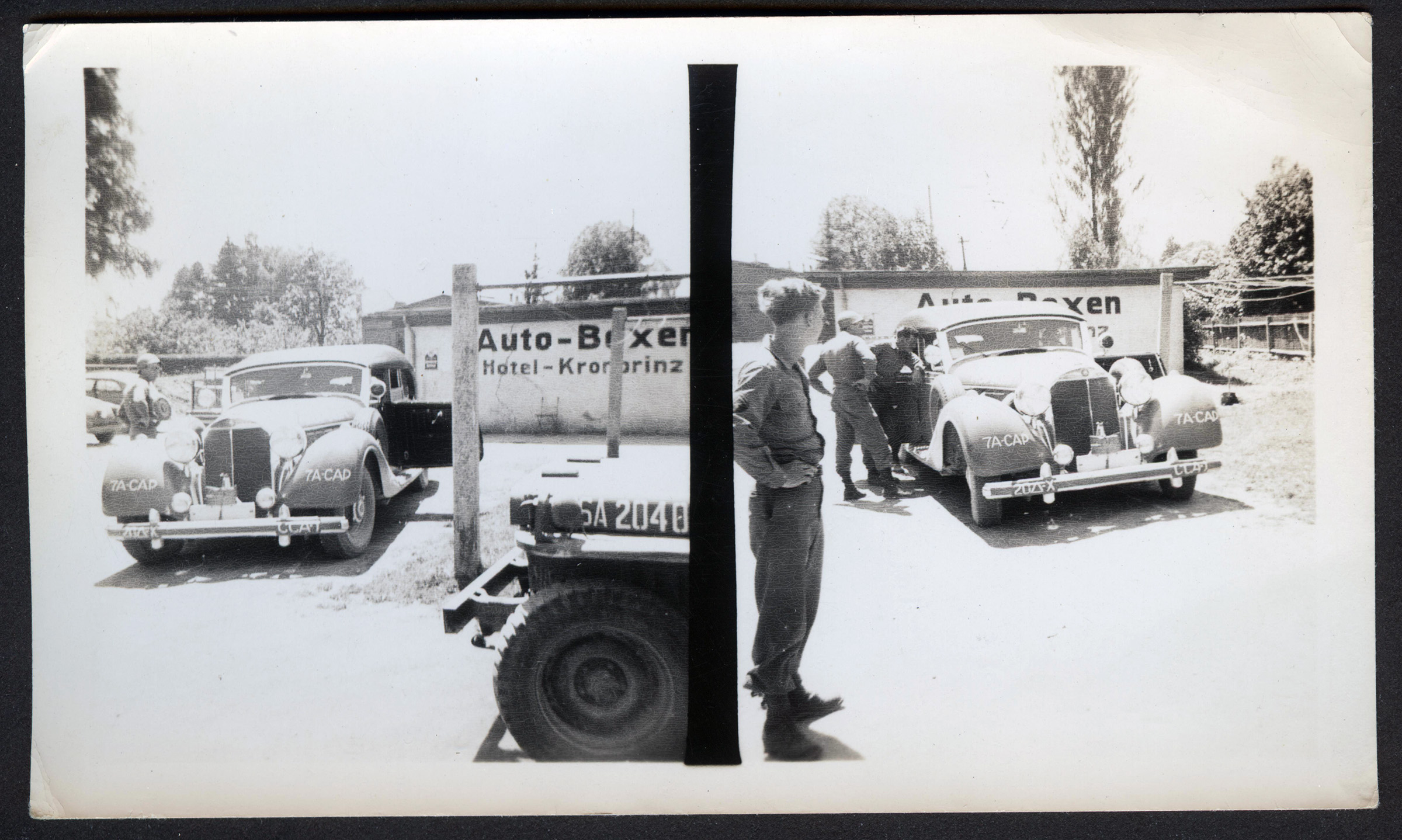
Auto mechanic garage, Germany, 1945. Photo by Solly.

In my research I am more interested in the “colors” than the simple facts and I found lots of short films shot by the Army Signal corps of Combat engineers “on the move” during WWII.  For more context, I suggest 4 short reels (a few minutes each) of combat engineers from the months of March-May 1945.  They are either Solly’s army (although I don’t see him) or engineers covering similar terrain as he was at the same time, and place.

Cherbourg / Saint-Lô, start viewing at 1 min. 30 secs:
https://www.youtube.com/watch?v=AGMMo5uShPU

Search for German personnel in Mechernich, Germany, March 8 1945: https://www.youtube.com/watch?v=zevYR-4M_r8

River Crossing, Mar 23 1945:
https://www.youtube.com/watch?v=jZl9zGHgQNI

In the streets of Koblenz, Germany, Mach 1945:
https://www.youtube.com/watch?v=llAFFg8pZEU