Love Solly
Letters home 1944-1946
This blog presents a collection of letters a 23 year old Sol Kent, who signed his letters at the time as Solly, wrote home from the European front during WWII. All the letters were sent to his older sister Esther, and were addressed to Es, Dave and Eric. Esther saved all the letters and gave them to her nephew David, Sol’s son, in the fall of 1999.
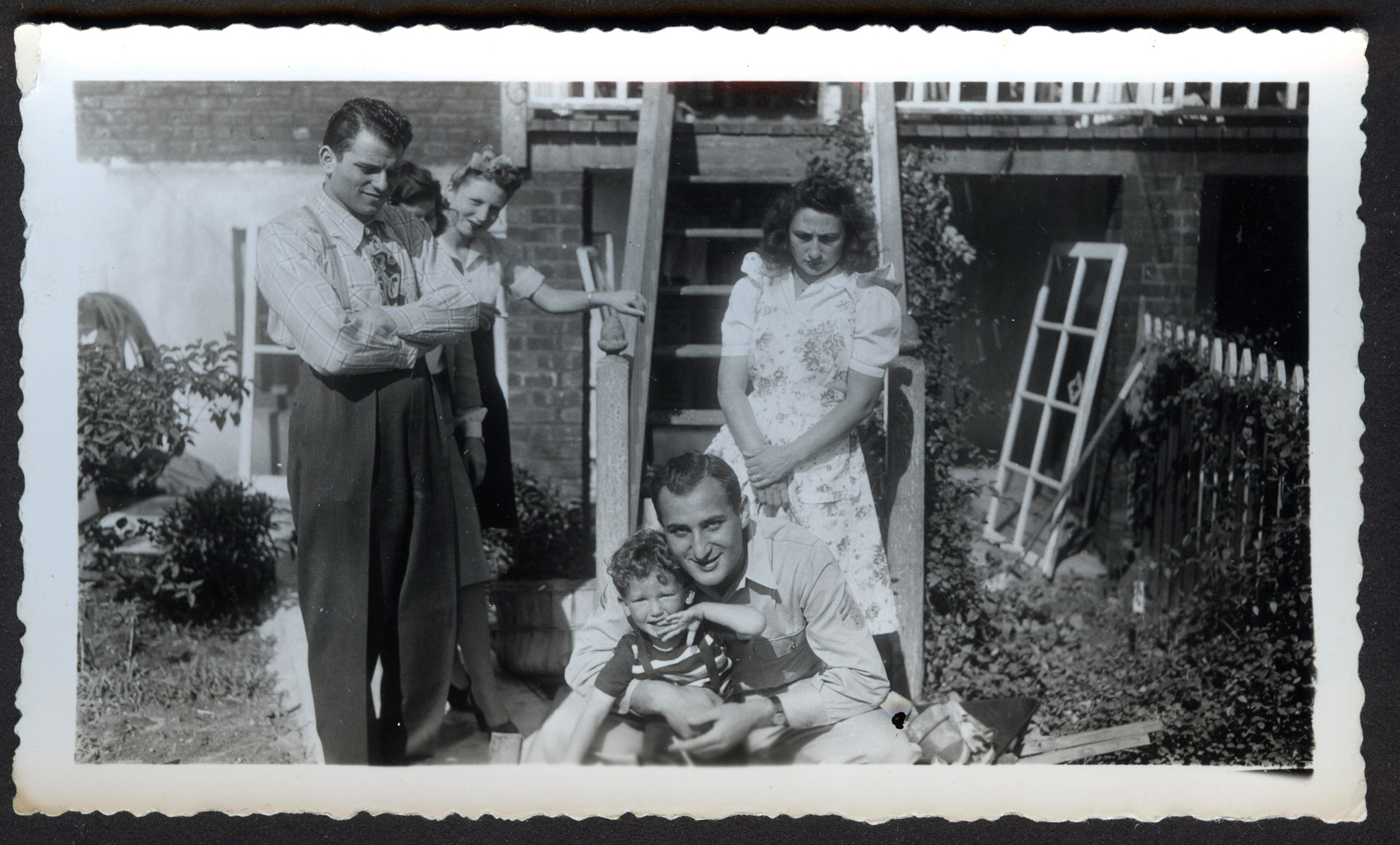
Dedication:
This blog is for the children, nieces and nephews of Sol Kent, by blood and marriage, and his grandchildren, great, and great-great nieces and nephews, and the future children in this line of descendants from Becky and Harry Kovsky’s union. The friends to family connections who are often at our tables and share in our family stories are also welcome.
The first letter home is December 26, 1944 and Solly is on a transport ship headed overseas and the final letter is January 11, 1946, a month before his final discharge and separation from the Army on February 4, 1946.
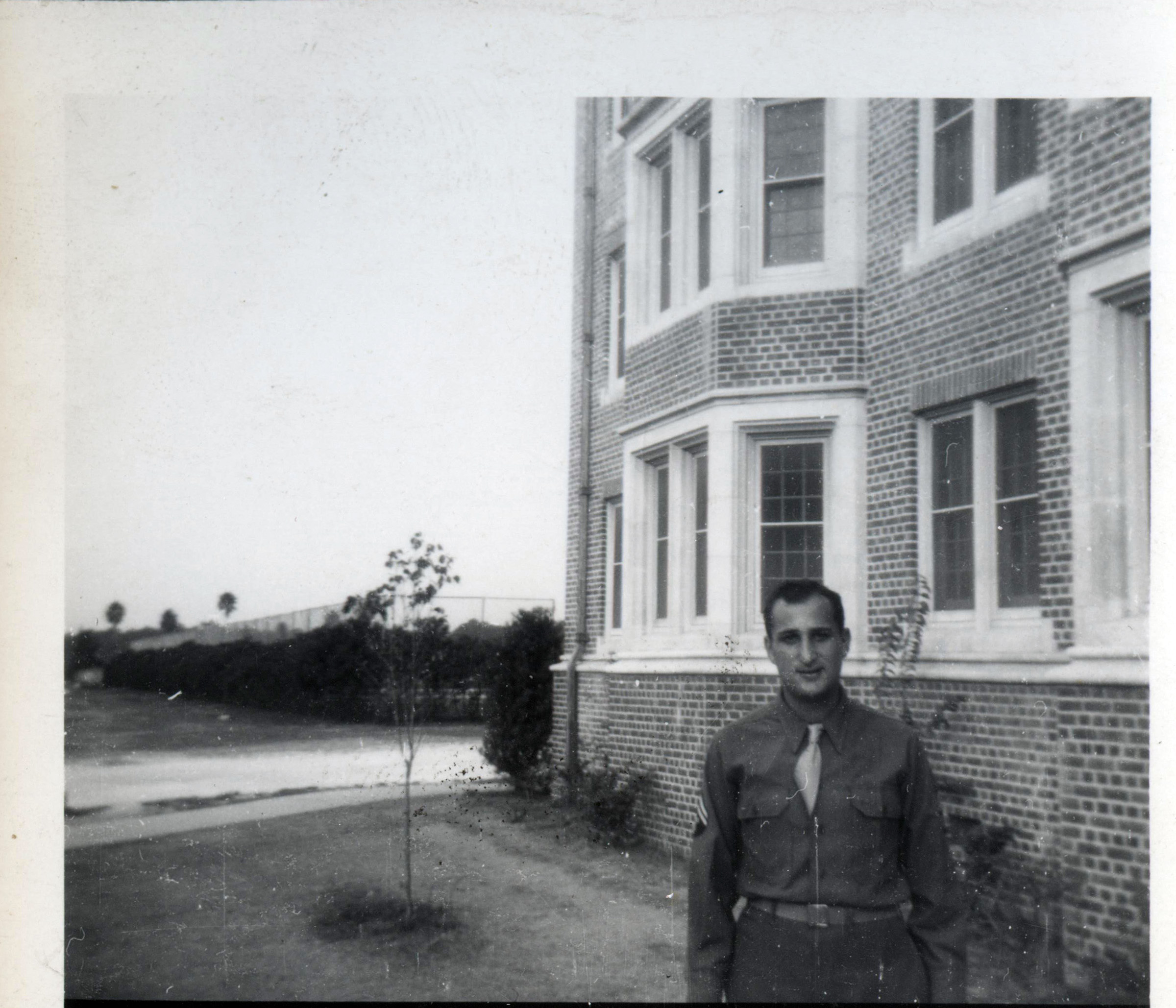
History and Memory:
History is what this blog is about; the publication of over fifty letters Sol Kent wrote home while a front-line WWII combat G.I. in the European theatre.
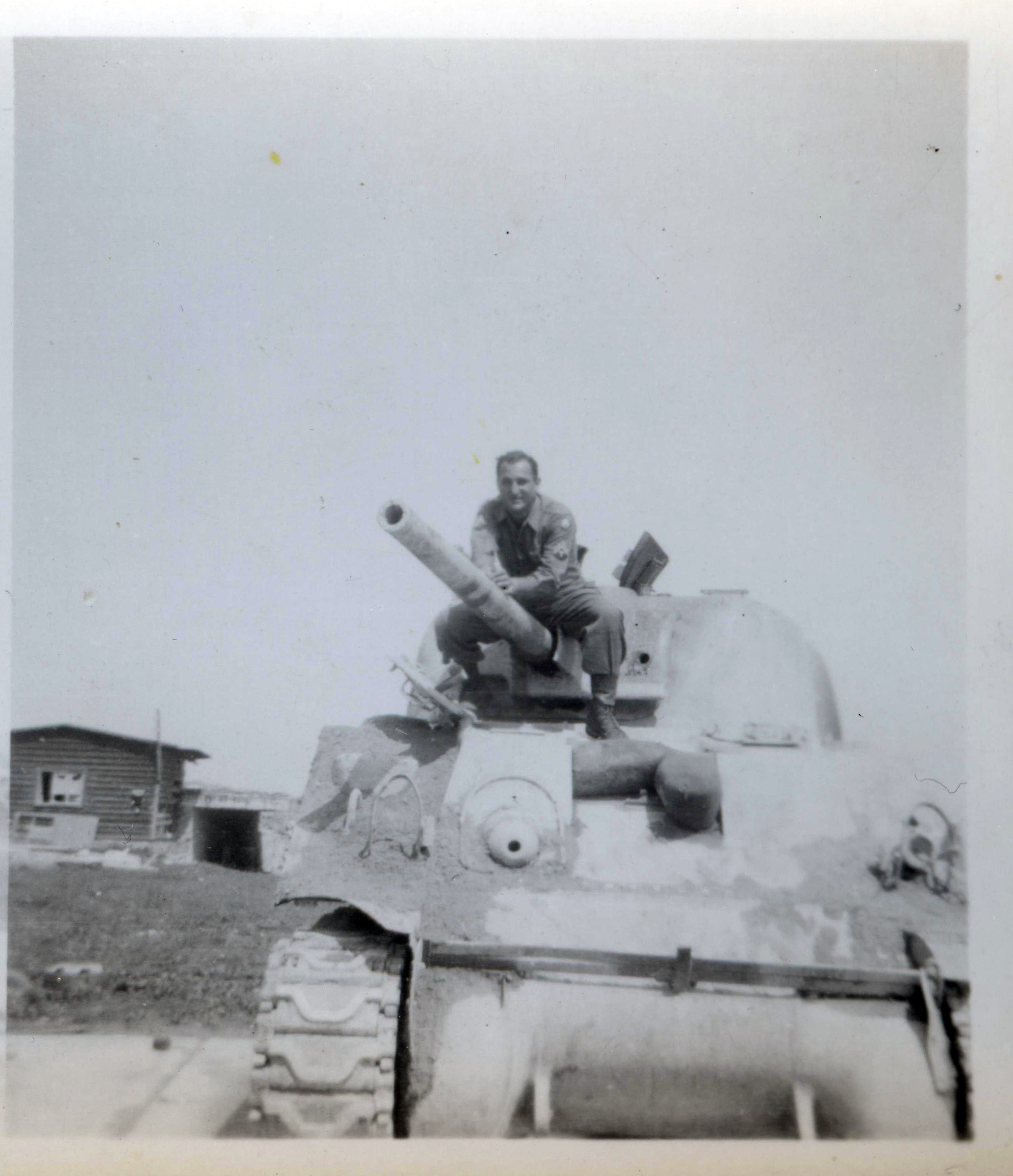
My father was a specialist because he had 3 years of electronic engineering at CCNY before the army pulled him out of college in 1943. This education earned him a place in the Combat Engineers where he ended up on the forward advance side of military campaigns.
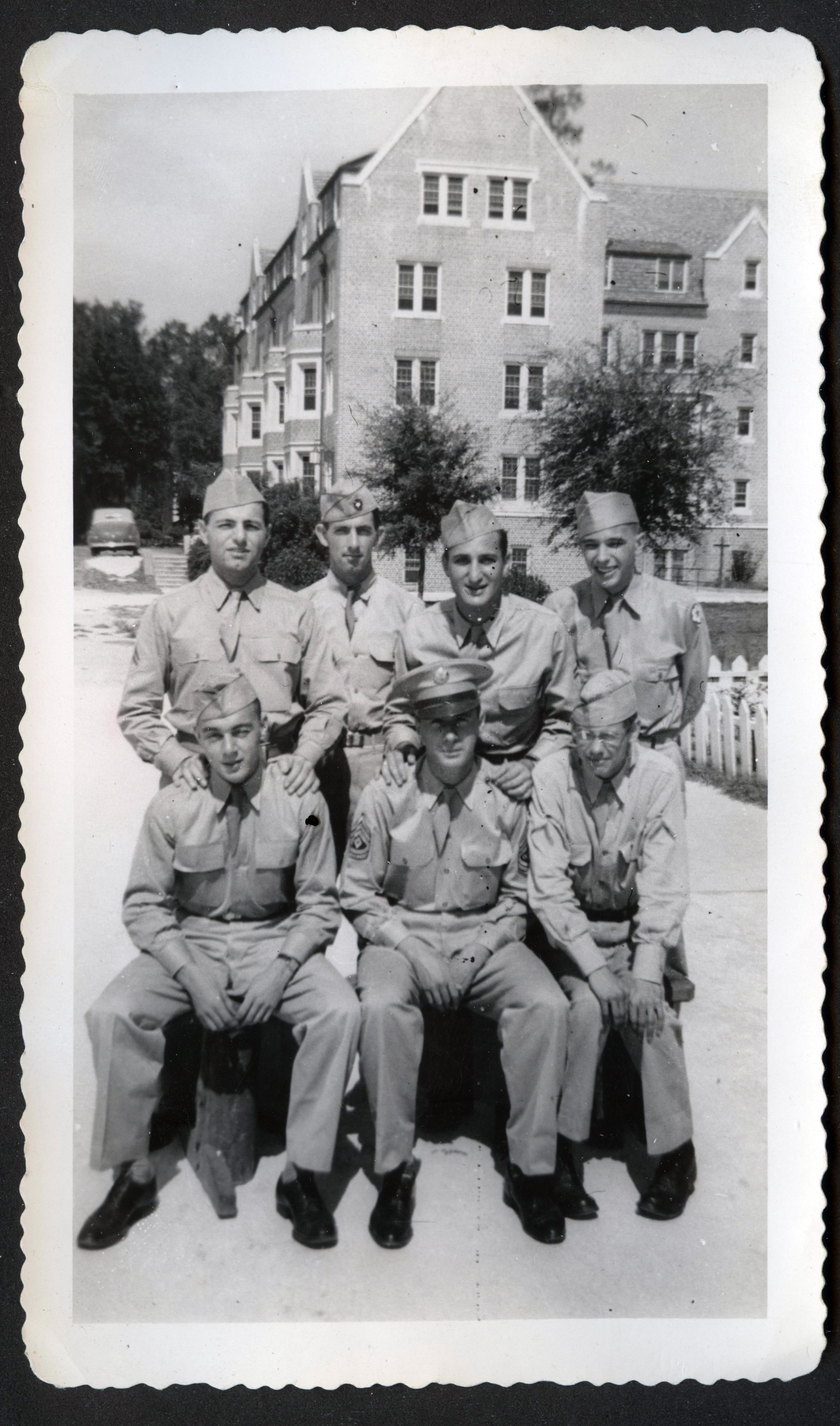
He was the engineer/soldier, not just the engineer, a brand new part of the U.S. Army’s accelerated approach to warfare.
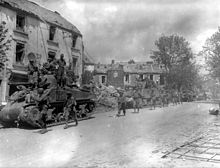
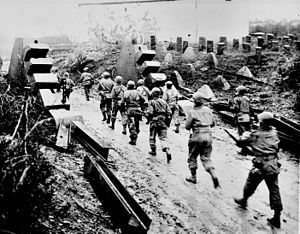
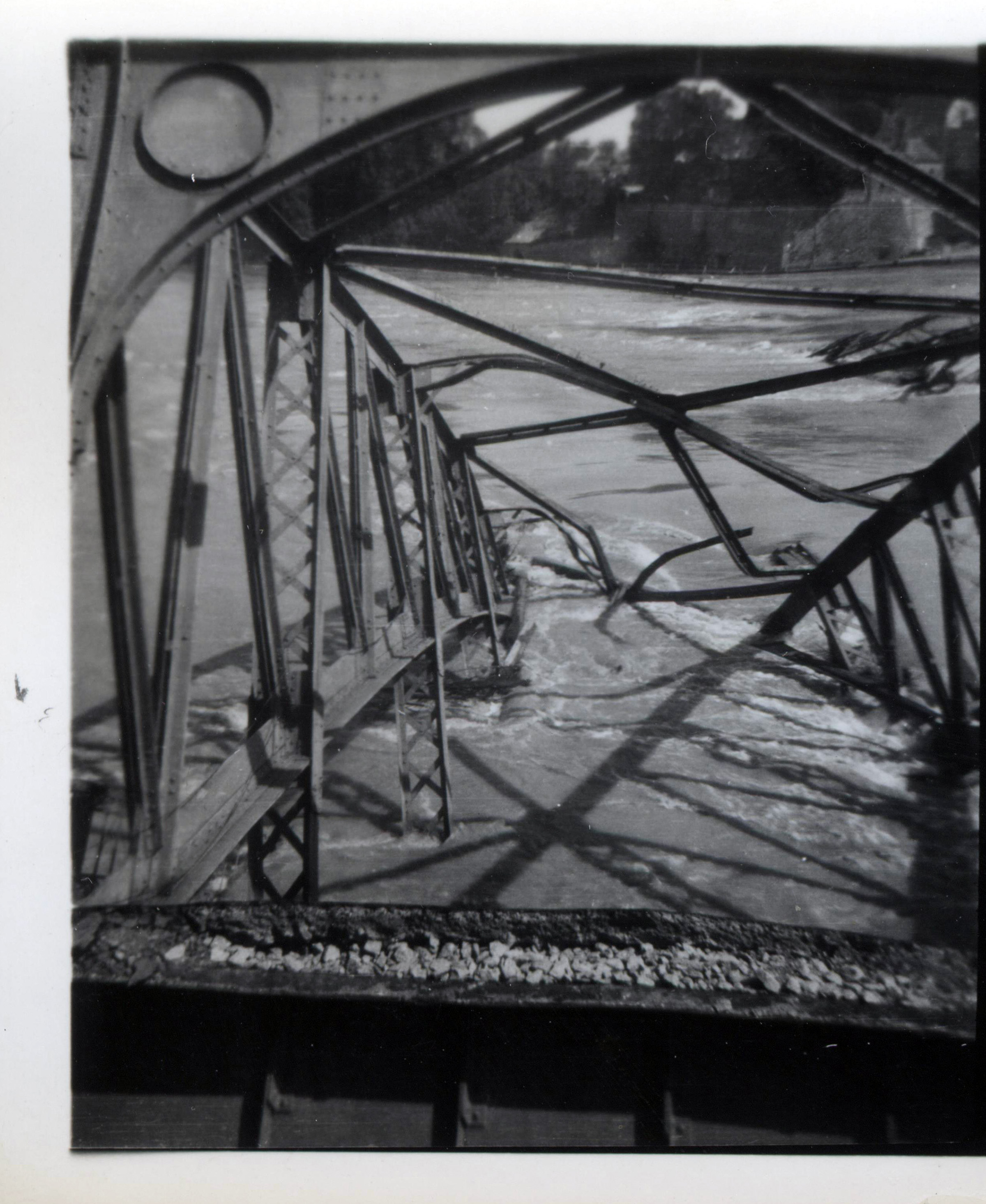
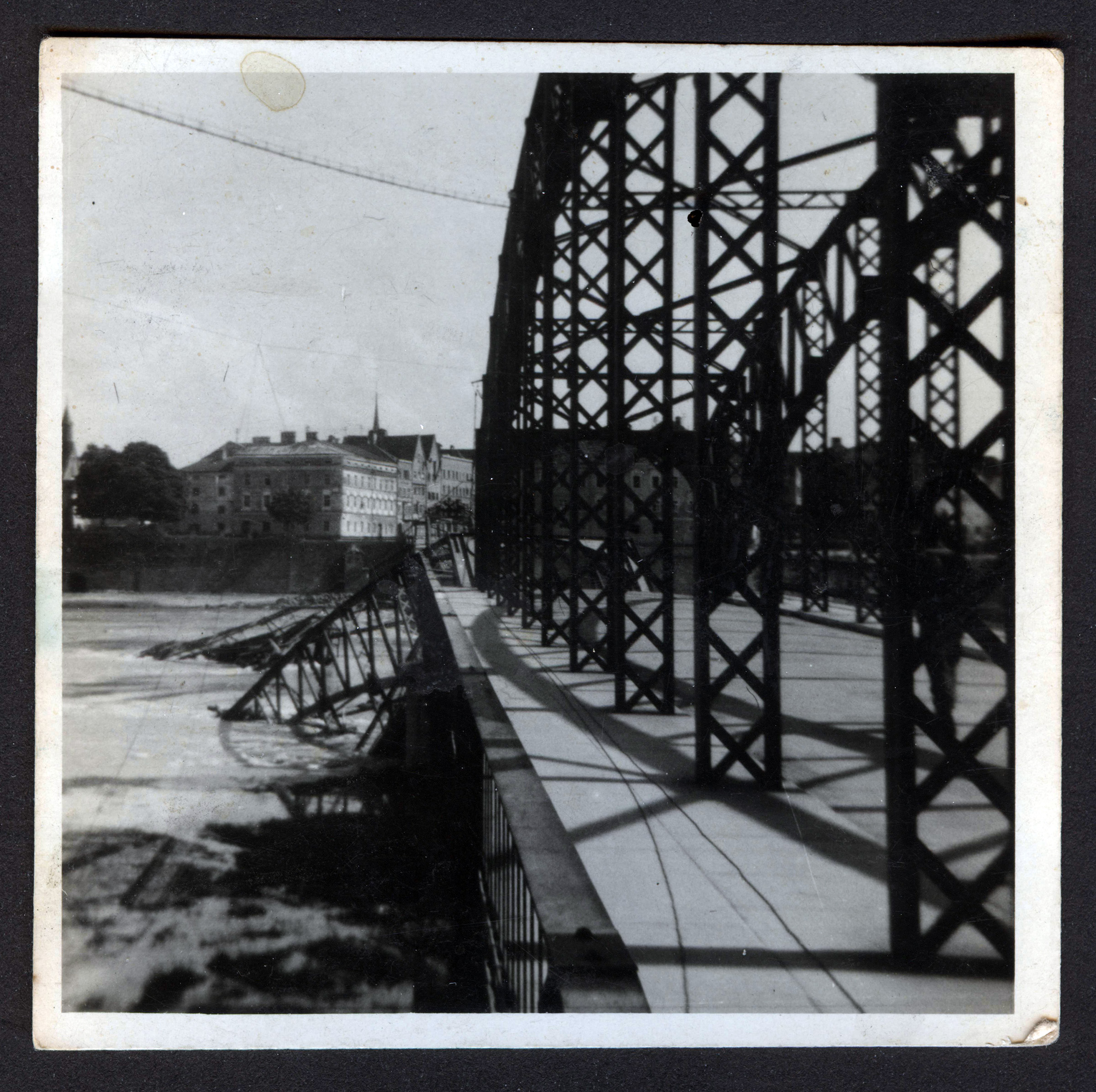
Engineer/soldiers built bridges which were blown up, rebuilt, blown up and rebuilt again in daily cycles; they kept communication lines and equipment connected 24 hours a day, rarely getting the “R & R” (rest and relaxation) other units used to decompress; and later in the war securing and testing a new generation of radar and guidance technologies.
The latter, radar and guidance technology, is what Solly eventually chose to pursue in the first 20+ years of his career as an electrical engineer employed in private companies contracted to NASA and the D.O.D (Department of Defense).
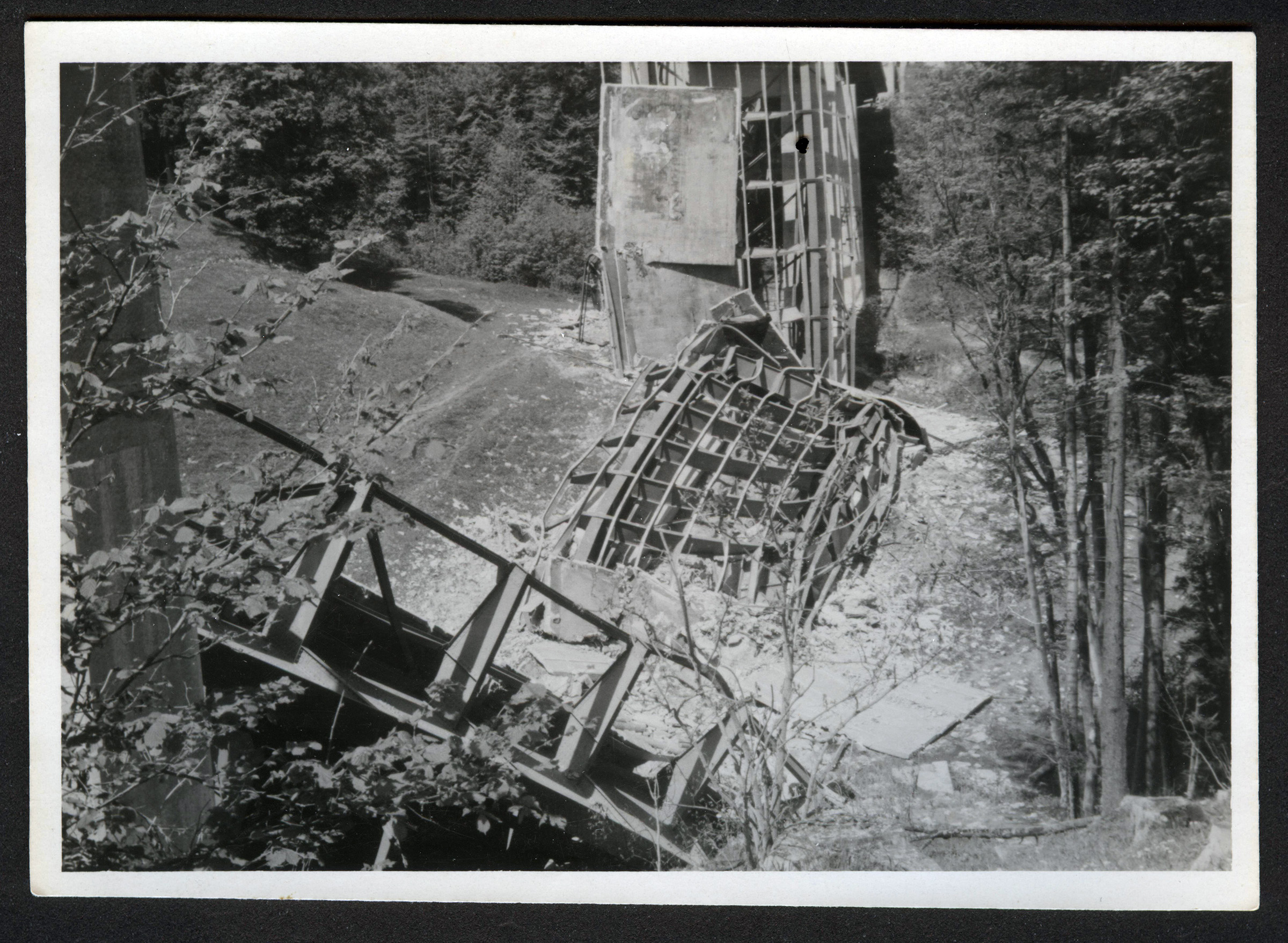
For Solly, like it is for every G.I. ever, the Army was an education, and for Combat Engineers the training was specialized, in depth and intense. A look at any one of the Field Guides listed in the course and certification curriculum the Army demanded young men like Solly complete before being shipped overseas is both significant and sizable. Most of the training was given as complete college classes condensed into 1-3 months of daily instruction and testing. (See more detail below: Solly’s official Separation Records from February 4, 1946 and his Ohio State Specialized Training Certificate).
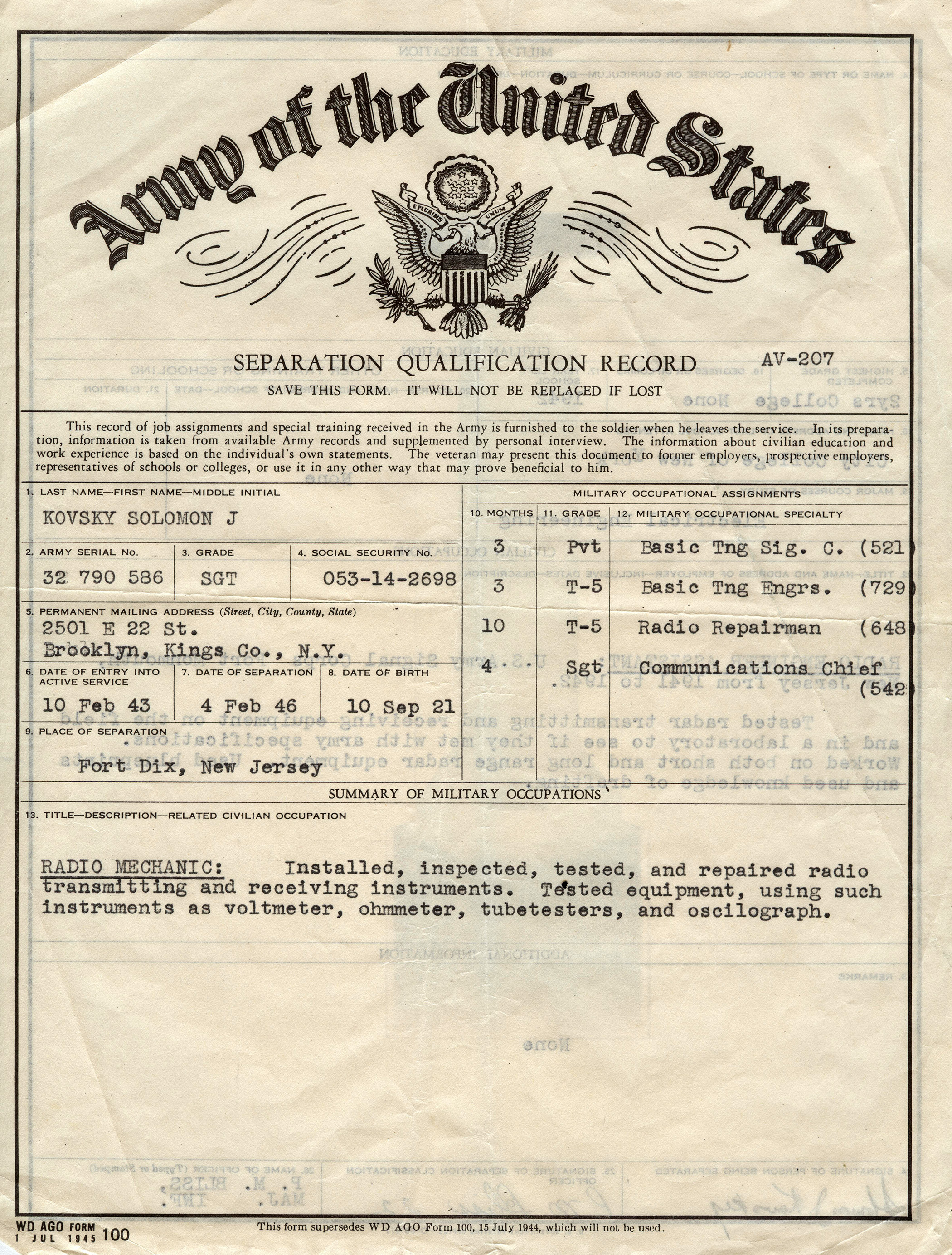
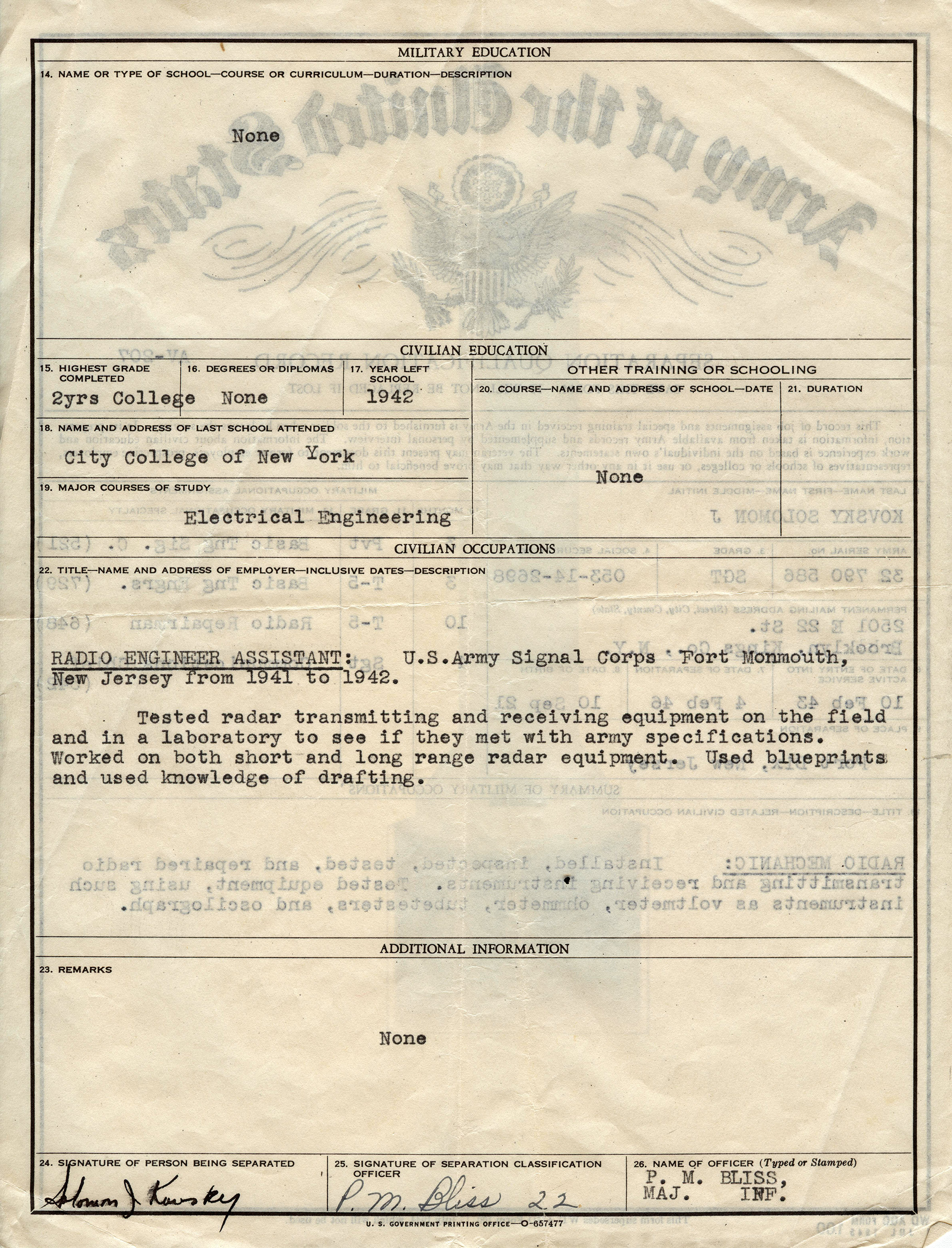
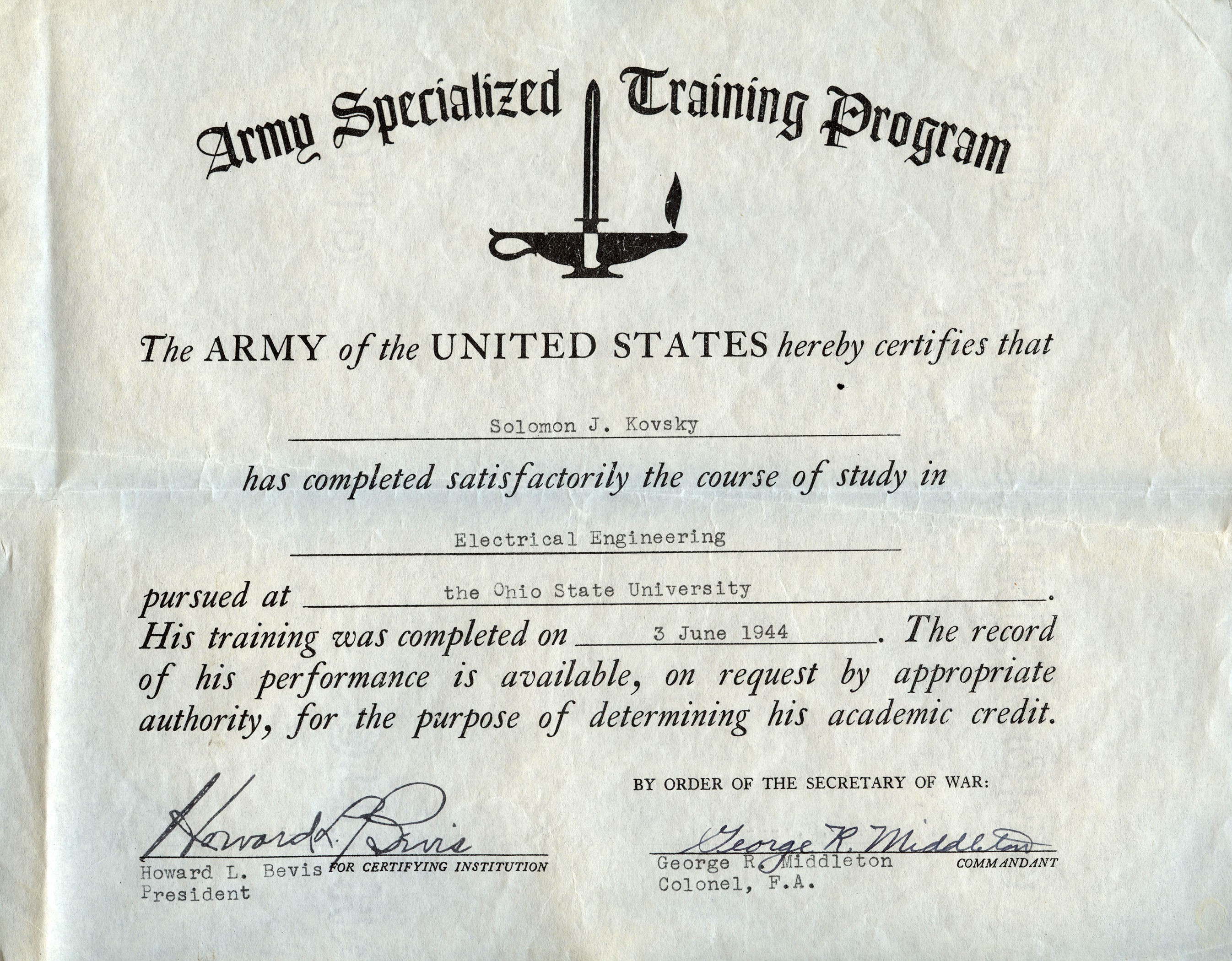
In addition, some of my research turned up other curriculum and certificates he completed under Army supervision, mostly at a special school in Florida, which included certifications in: Signature Corp administration, Transport and bridge engineering, Radio Repair, Chief of Communications, equipment testing and repair, transmission and instrumentation, radar, and knowledge of blueprints and drafting.

My father said many times to me that the range of skills and depth of training the Army demanded of him may have kept him stateside longer than other soldiers who were inducted at the same time but, in the long run, turned out to be a curse and not a blessing.
Much of this work he did in “old blood and guts “Patton’s army which saw some of the bloodiest fighting of the war. No one was going to succeed in the push to Berlin without the success Solly the squad sergeant, along with his squad, had to have first by securing the road ahead. Again, this operational command was an integral part of the Army’s strategy to beat the Germans at their own game: speed.
Solly mentions the impact all of the above realities had on him in the Love Solly letters; typically followed by his comment in the same letter about how much he hates the Army.
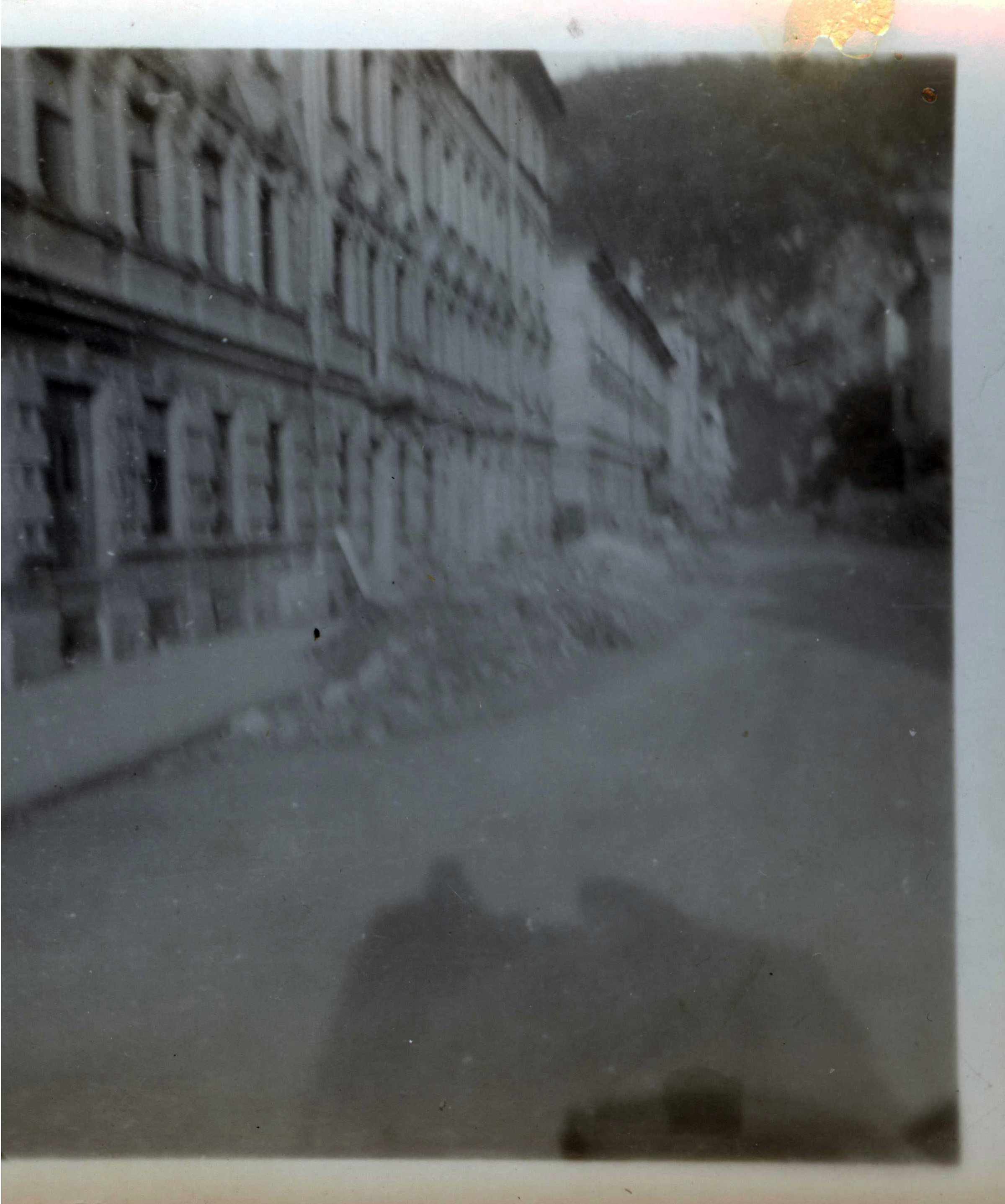
My father never discussed anything about his time in the Army, certainly not in an historical or actual context, with the exception of a few private stories he told me so I would stop pestering him with questions. All of us in our family agree that what we all mostly remember hearing was how much he hated the army.
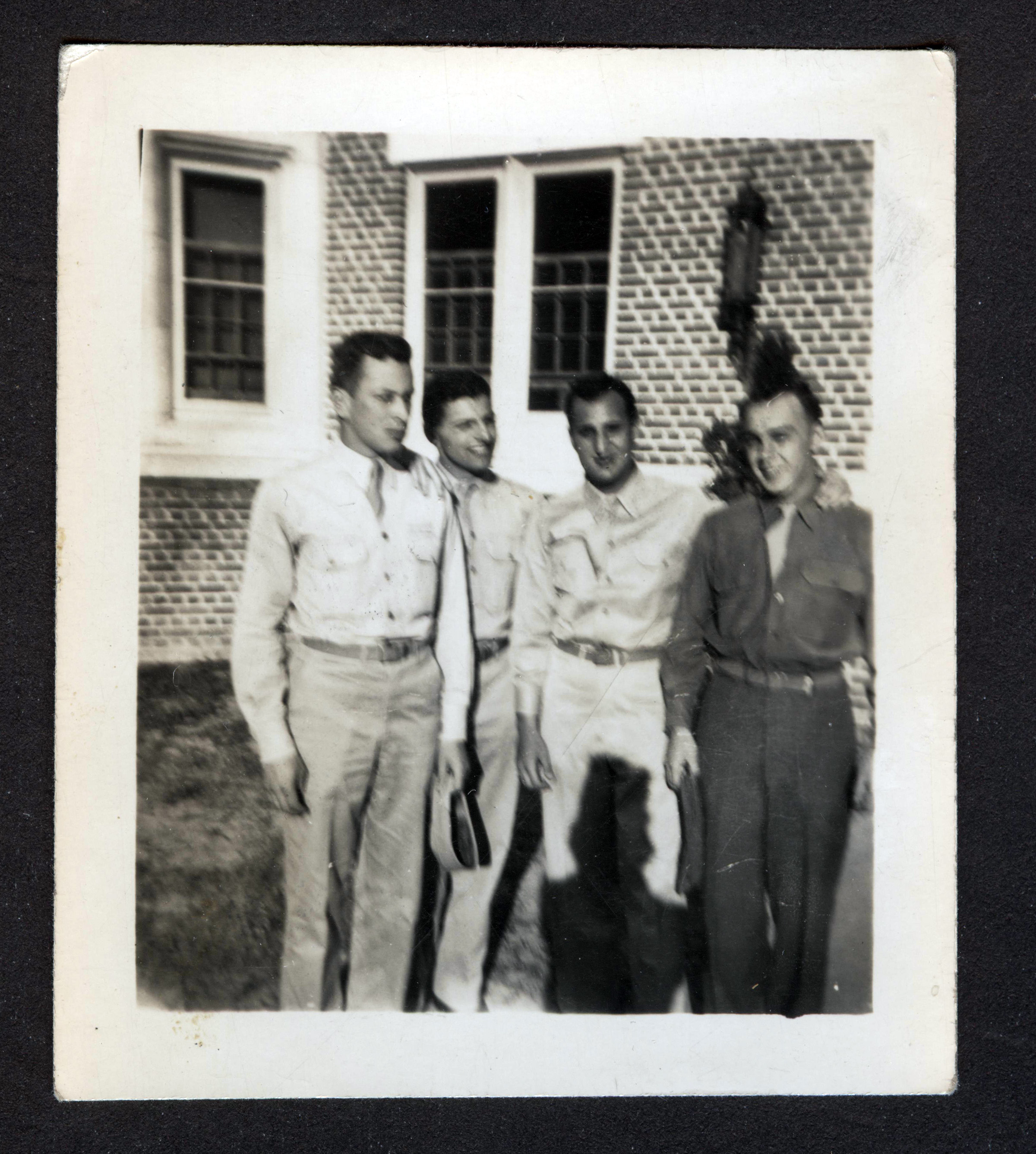
And yet, it was surprising to me to see his actual words on hating the army when I first read the letters eighteen years ago. Remembering the slightly crooked scowl on my dad’s face when he said those things to me about the army I began to smile as I also imagined a similar scowl the 23 year old Solly must have had on his face as he wrote those things down for the first time in these very letters.
Once I started letting my imagined memory play with person writing the letters it became more interesting to me than the actual history of the papers, photos, and documents in front of me.
Once I started to enjoy thinking about Solly, instead of my father, the letters opened in front of me like windows, and Solly was suddenly a real life 23 year old young man in foreign lands, among people he had never known, in countries and cultures that had a profound effect on him, all the time worried about his brother and his friends fighting in other parts of the world, and overly concerned with how the news he shares in his letters will be filtered along to his mother.
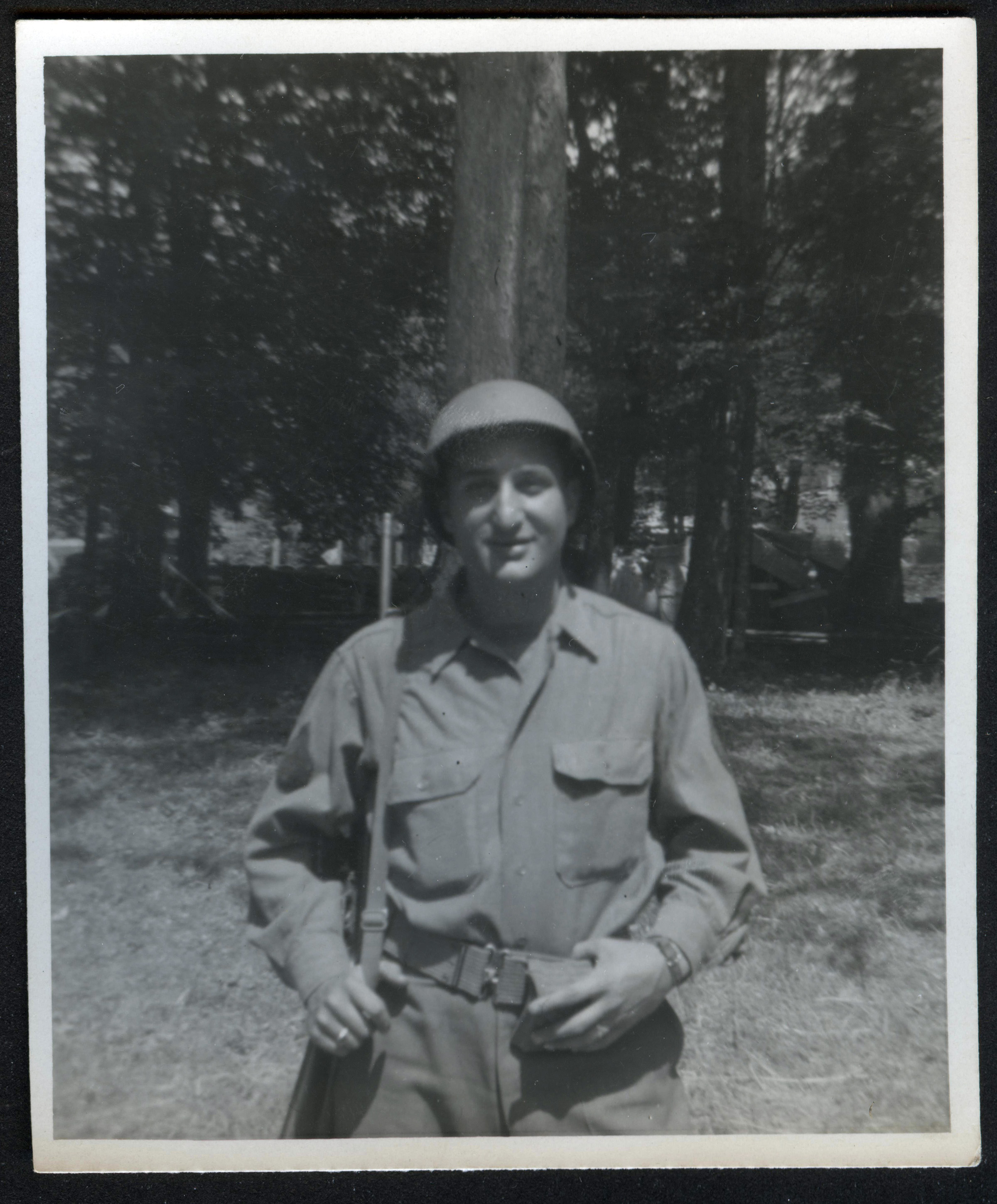
As a Jew who spoke Yiddish and enough German to get by, the Army pulled Solly out of his regular ranks in April-May, 1945 and assigned him to the American liberating units who were the first to arrive at, and liberate, a number of concentration camps.
As it was told to me, Solly and bunch of other G.I.’s rolled up to the front gates in a jeep, stepped out, walked over and cut the chains, then entered as crowds of inmates crowded around him begging for food and water.
Solly knew that moment was important and he took his own photos with the accordion style portable camera he was carrying at the time. You can read more about those photos on The Map page and then see all of Solly’s pictures in The Real Holocaust Photos and the Postcard/Photos posts when they are added to the blog this coming April.
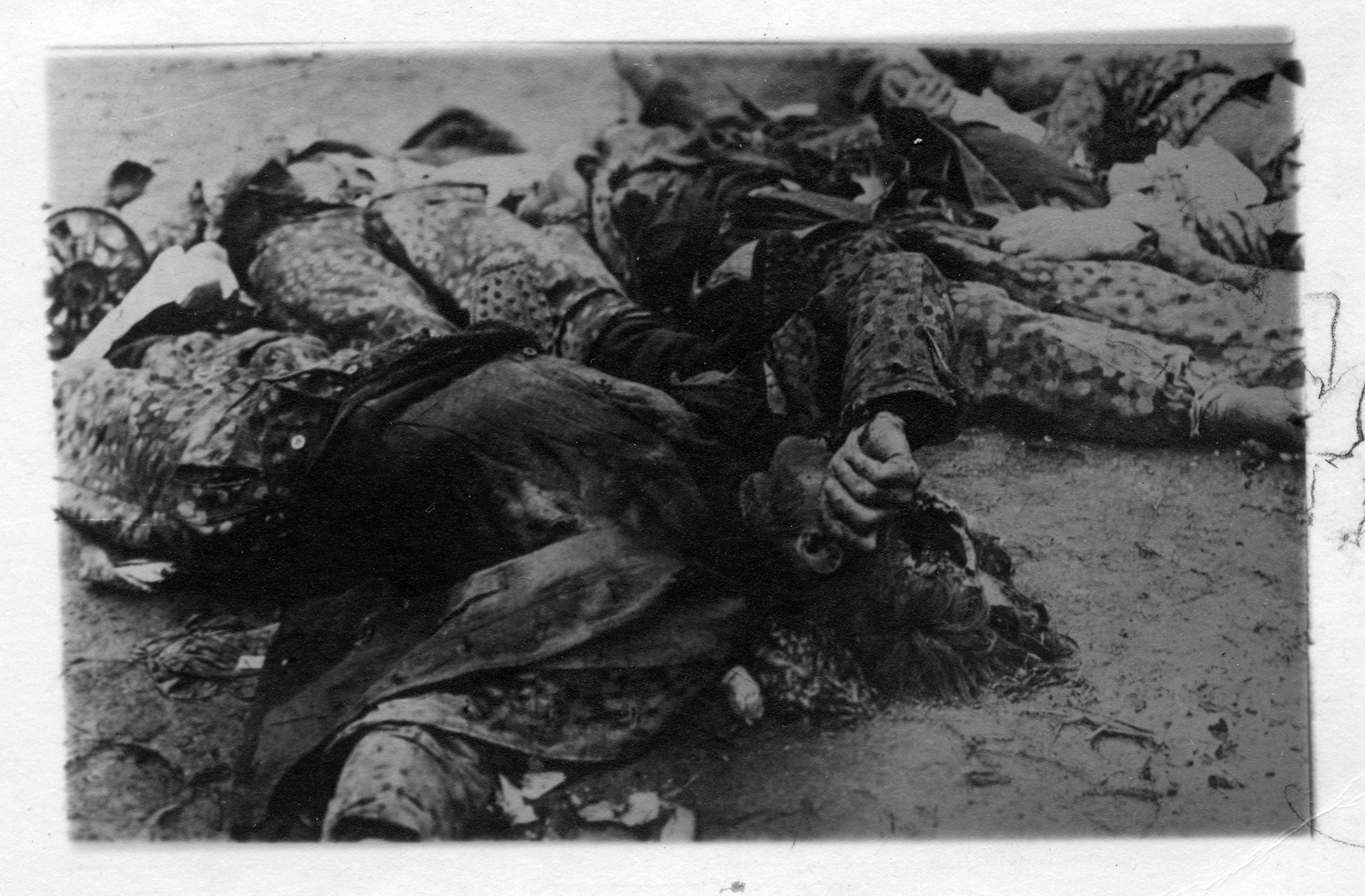
Solly writes in the letters about all kinds of things which are on his mind, such as: America’s future Foreign Policy to Germany, the people and cultures of the countries his Army is liberating, education, social justice and being a Jew. In addition, as he prepares to leave Europe, expecting to be sent to the Pacific instead of back home, he begins writing about his personal thoughts on who he has become as a result of what he is experiencing, what he has left behind as a consequence, what he thinks he may want in his future, and the possibility of travelling the world first instead of going home and continuing his education.
Solly is an authentic voice in the repertoire of related Kovsky family voices and I think about him standing in a room with me when I was 23-24, and how unique he would be compared to me, given my limited experiences and narrow depth of awareness at a similar age.
In my memory, when I stand on shared ground with Solly I feel like I learn something I always was meant to know; finally coming to me from the words of a distant family member I am just meeting for the first time.
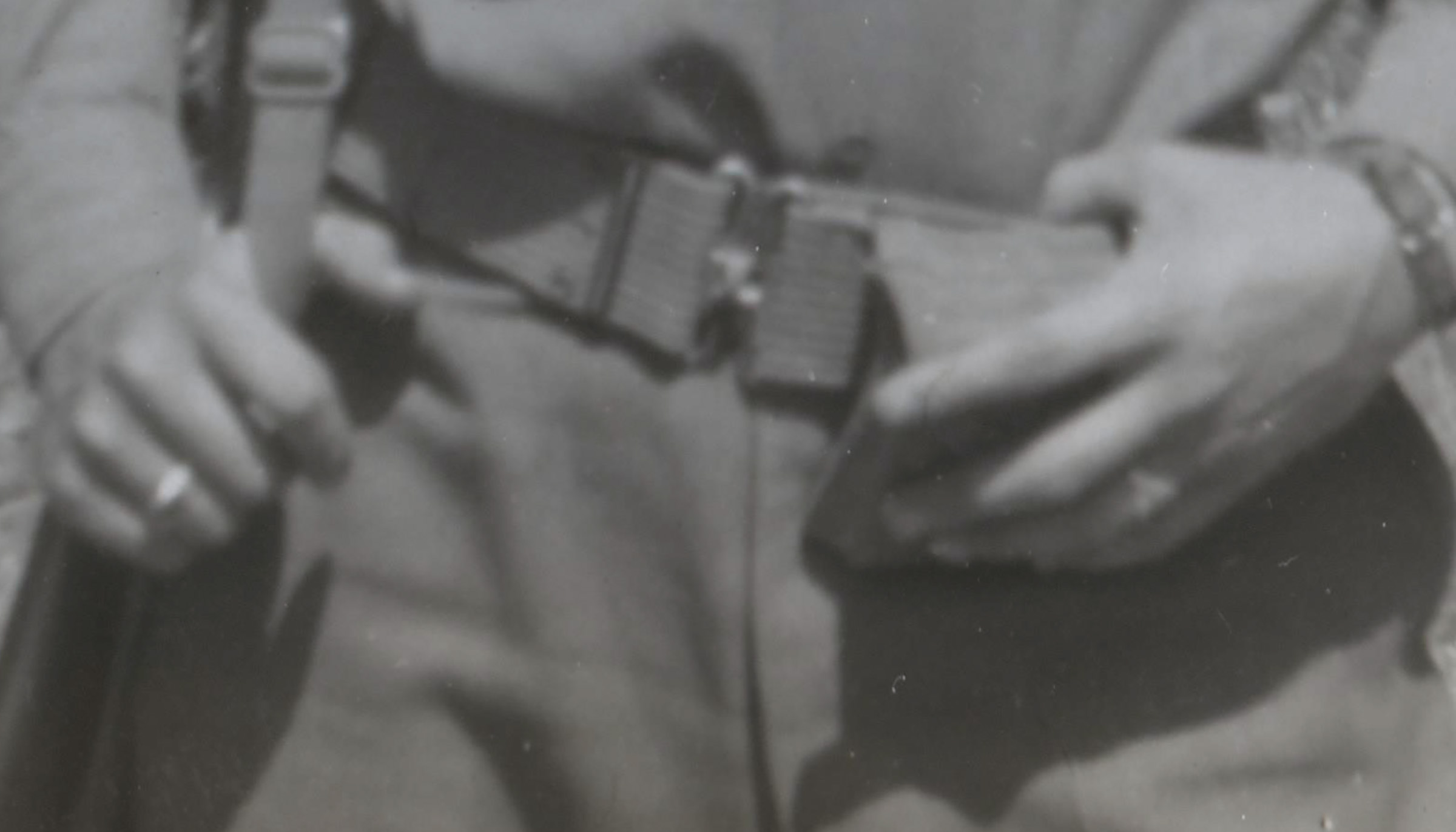
I’m trying not to romanticize or idealize this 23 year old Solly and in truth, the letters do contain a good deal of information that could be classified as mundane or trivial, and some equally as insignificant unless you really, really care: such as finding out that Solly, unlike the Sol I knew, liked going to dances, knew about guns, and wore rings on both his left and right ring fingers.
Whatever Solly was actually going through at the time of the letters he would, by the time he met Selma, emerge as Sol, who always appeared to his family, friends, and colleagues as a calm and patient man. Somewhere between the letters and the day my mother’s sister Helen told her best friend Esther to have her brother call Selma, Solly must have navigated the bulk of those 24 year old uncertainties and feelings into a peaceful understanding of his place in the world. As Selma tells it by the time she met Sol, there was no clue that the Solly from the letters had ever existed.

Written on December 29, 2015
GO DIRECTLY TO THIS MONTH’S POSTS
 Love Solly